
17 Proven Profitable Small Business Ideas
You want something that actually makes money and fits your life.
You need ideas that are simple to start, practical to run, and can scale.
These 17 profitable small business ideas are chosen so you can pick one and begin, not read forever.
17 Proven Profitable Small Business Ideas
These 17 hands-on ideas are realistic, low-to-moderate startup cost, and actionable. Each entry gives what changes for your money and the first real steps.
1. Local Cleaning Service with Recurring Contracts

A cleaning service sells time and reliability, which clients pay to outsource. You’ll price by property size and frequency, and recurring weekly or biweekly contracts stabilize cash flow.
When you land two or three regular clients, your predictable weekly revenue covers supplies and wages first, which makes growth manageable. Margin comes from efficient routing and team training.
Watch out for undercharging early; a common mistake is assuming local rates are lower and then burning time. Always factor travel, supplies, and a buffer for cancellations.
Start by offering a few reliable slots, ask for recurring bookings, and get written agreements that outline scope and cancellation terms.
2. Virtual Assistant for Busy Professionals

You sell organization and time back to clients. Start by listing specific services—calendar management, email triage, travel booking—so your offer is clear and priceable.
When you take one client’s routine tasks off their plate, you can charge a retainer or hourly blocks and predict monthly income. Efficiency tools and templates let you scale to multiple clients without equal hourly increases.
A pitfall is saying yes to every task and burning out. Set clear boundaries and a scope that’s easy to repeat.
Begin with a tight service menu, a simple contract, and two-week trial packages to prove value to clients fast.
3. Freelance Bookkeeping for Small Businesses

Bookkeeping is steady work with clear deliverables. You’ll reconcile accounts, categorize expenses, and produce simple monthly reports so owners know where cash goes.
When books are accurate, clients make better decisions and you become indispensable. Monthly retainers or fixed monthly fees create predictable income and allow you to plan growth.
A common mistake is skipping initial cleanup hours; messy records demand more time than new clients expect. Quote a cleanup phase separately.
Start by specializing in one industry, use a consistent workflow, and require a short onboarding checklist from new clients.
4. Social Media Management for Niche Businesses
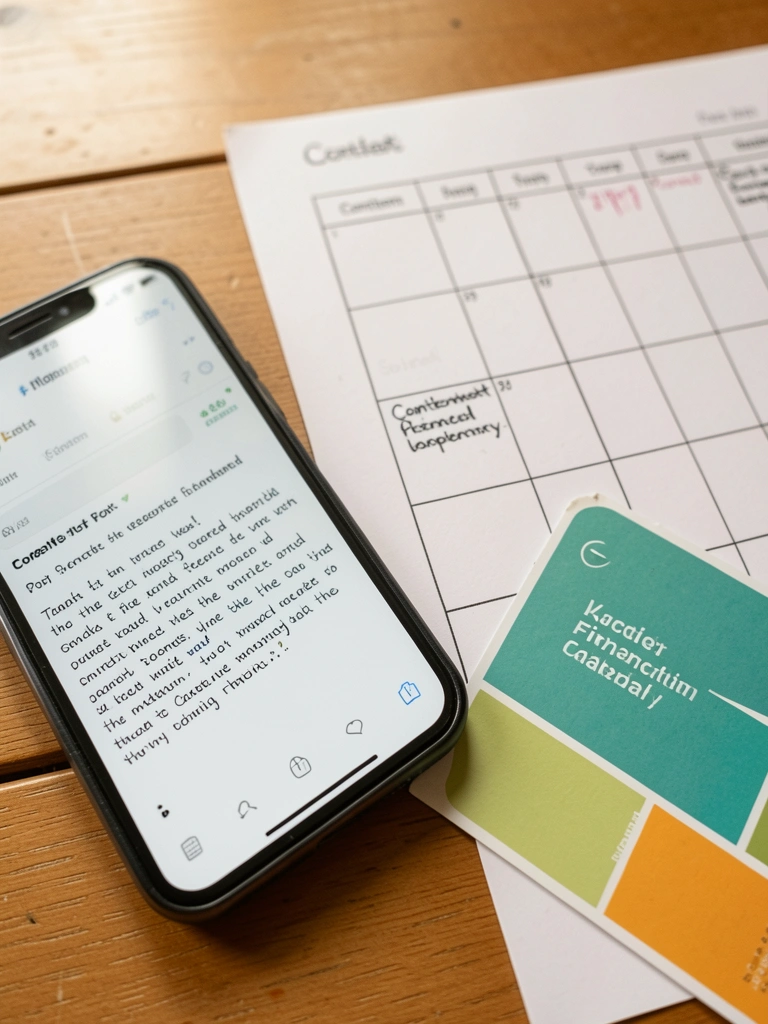
You provide consistent content and community management that drives local leads or online sales. Niche focus—restaurants, salons, real-estate—makes messaging and metrics easier to sell.
When you move from ad-hoc posts to monthly packages with content, scheduling, and basic analytics, clients see steady engagement and can justify ongoing fees. Upsells include ads or campaign boosts.
Avoid promising specific follower growth—results vary. Another mistake is creating content without a simple measurement plan; track at least two clear KPIs.
Offer a 30-day pilot with set deliverables and a clean content calendar to show how your work fits into their week.
5. Website Design and Maintenance Packages

You build functional sites plus an ongoing maintenance plan. Many clients need a simple, fast site and someone to keep plugins, backups, and content fresh.
When you sell a base site plus a monthly maintenance retainer, revenue becomes predictable and work becomes repeatable. Templates and clear onboarding speed delivery and improve margins.
A pitfall is underestimating scope creep—clients add features after launch. Use a change-order process and clear hosting expectations.
Start with packages: launch, basic SEO setup, and monthly maintenance. Offer a 30-day support period and then a monthly rate for updates and backups.
6. Online Course Creator in a Practical Skill

You convert hard-won skills into lessons people pay for. Focus on a narrow outcome—what someone can do after the course—and build short modules that solve that problem.
When you sell a course, your time becomes leverage: create once, sell many times. Combine the course with occasional live Q&A or a paid community for recurring income.
Common mistakes include overloading the first course with too much content and not testing pricing. Start small and iterate based on student feedback.
Launch with a minimum viable course, pre-sell a small cohort, and use clear outcomes to market the offer.
7. Specialty Food or Home Bakery (Local)

Selling specialty food items locally—artisan breads, prepared meals, or niche baked goods—lets you start from home with low overhead and direct customer feedback.
When you sell through farmers markets, local shops, or direct orders, you learn pricing, portion costs, and peak demand quickly. Repeat customers and catering orders stabilize income.
Watch local food regulations; failing to register correctly is a costly mistake. Track your food cost per unit carefully—small errors compound.
Start with a tight menu of 3–5 items, test at a weekend market, and collect repeat-order info to build a steady client list.
8. Lawn Care and Landscaping with Seasonal Upsells

You sell a visible, repeatable service. Basic mowing and trimming are entry points; add seasonal services like mulching, snow removal planning, or fall cleanup for higher margins.
When customers put you on a weekly or monthly schedule, you get predictable routes and steady cash. Efficient routing and batching jobs boost profit per hour.
A common pitfall is poor equipment planning; underpowered tools slow you down. Also, not confirming boundaries and expectations leads to disputes.
Start with neighborhood flyers and a simple pricing sheet. Offer a trial cut at a slight discount to build word-of-mouth.
9. Mobile Auto Detailing and Minor Repair

You bring convenience to busy car owners. Exterior and interior detailing plus small services—headlight restoration, scratch touch-ups—can command healthy margins because customers value convenience.
When you book recurring clients (monthly washes for fleets or individual subscriptions), cash flow smooths and referrals increase. Travel time and supply costs must be built into pricing.
A mistake is not charging for travel or taking jobs that need unexpected time. Clear service windows and arrival estimates avoid complaints.
Start with a neighborhood launch, set travel fees by distance, and use before/after photos to prove value.
10. Pet Care: Dog Walking & Pet Sitting Subscription

You provide reliable care that pet owners pay a premium to outsource. Fixed weekly walks and holiday pet-sitting packages make income predictable and easy to scale with trusted helpers.
When clients buy a package, you get recurring revenue and fewer single-job gaps. Use simple scheduling software and clear service checklists to keep multiple clients organized.
A common mistake is skipping meet-and-greets; temperament mismatches are a liability. Also, not collecting emergency contacts and medical notes creates risk.
Offer an initial meet-up and a small discounted first week to convert neighbors into regulars.
11. Tutoring or Test-Prep Specialist (Online or Local)

You sell progress and confidence. Specialize in one subject or test and use short, measurable sessions—skill checklists and homework—to show progress.
When students improve, referrals and longer-term packages follow. Offer hourly rates and packaged session bundles to smooth cash flow and plan work.
A pitfall is poor session structure; unfocused lessons lead to low results and lost clients. Use a clear curriculum or progress rubric.
Start by offering a few trial lessons, track improvement milestones, and ask for short testimonials to build trust.
12. Handyman Services Focused on Small Jobs

You fix small home problems that homeowners defer. Focus on quick-turn repairs—fixtures, basic carpentry, and installations—so you can bill by the job and keep productivity high.
When you standardize common jobs with set prices, quoting is faster and clients appreciate predictability. Repeat business and referrals from reliable work build steady income.
A common mistake is taking jobs outside your skills and creating rework. Know your limits and subcontract or decline complex jobs.
Provide clear, written quotes for each job and a simple warranty period to reassure clients and protect your reputation.
13. Print-on-Demand Niche Merch Store
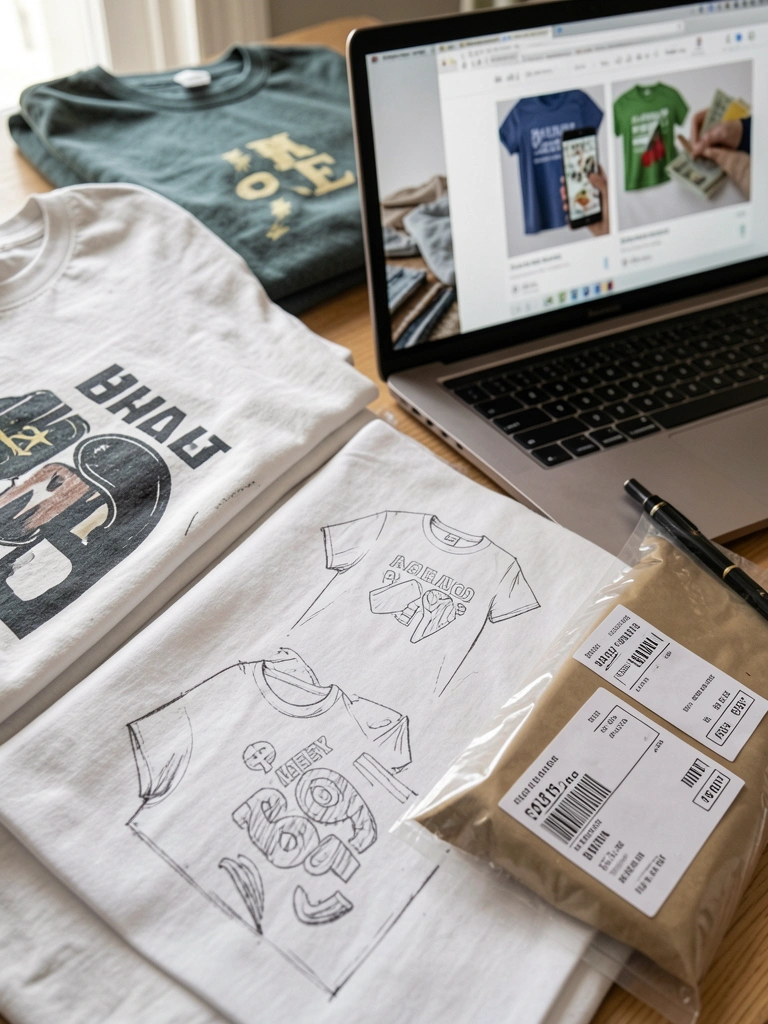
You sell niche designs without inventory. Focus on a clear audience—local teams, hobbies, or micro-communities—so designs convert and marketing is targeted.
When you nail a niche, promotion via social channels and targeted ads can produce regular orders without upfront stock. Profit comes from smart pricing and low design overhead.
Mistakes include broad, unfocused themes and poor image resolution that harm prints. Test small runs and customer feedback before expanding designs.
Start with 5 strong designs, gather feedback from community groups, and refine based on what sells best.
14. Dropshipping Focused on One Niche Market

You run an online storefront without holding inventory. Narrowing to one niche—home office gear, pet accessories, or hobby supplies—keeps marketing focused and customer service predictable.
When you pair a reliable supplier with fast fulfillment and clear return policies, margins can be steady. Your main costs are ads and customer acquisition, so control those tightly.
A pitfall is unreliable suppliers and long shipping times that frustrate customers. Vet partners and build simple quality checks.
Test one product at a time, track conversion costs, and keep product pages clear about delivery expectations.
15. Rental Business for Tools and Equipment

You monetize items that sit idle for most of the time. Tools, party equipment, or specialty gear can command daily or weekend rates and yield high returns compared with occasional sale.
When you document usage, require deposits, and schedule pickups, you can run a low-overhead operation with predictable weekend income spikes. Insurance and maintenance are part of the cost structure.
A common mistake is neglecting maintenance; worn equipment shortens life and leads to complaints. Track hours of use and schedule routine service.
Start with a handful of high-demand items, set clear rental rules, and use simple booking software to manage availability.
16. Personal Shopper and Closet Organizer

You sell time saved and confident choices. Help clients declutter, plan outfits, and shop targeted items—charging per session or a package based on closet size.
When you organize a wardrobe and create capsule outfits, clients reduce wasted purchases and often hire recurring seasonal refreshes. Packages with follow-up shopping trips add predictable revenue.
A pitfall is not setting scope; clients can expect unlimited returns or changes. Define what’s included and any travel fees.
Start with a clear intake form, a one-day closet reset package, and optional shopping add-ons.
17. Content-Based Niche Website Monetized with Ads & Sponsored Posts

You create helpful content for a specific audience and monetize attention. Pick a narrow topic you can cover consistently and build pages people find through search or social sharing.
When traffic grows, you can earn ad revenue, affiliate income, and sponsored posts. Focus on steady publishing and practical, search-focused content to climb visibility over months.
A mistake is spreading topics too wide; niche authority beats general content early on. Also, expect a ramp-up period before meaningful income.
Plan a content calendar, write practical how-to pieces, and track which topics bring repeat visitors to scale monetization.
Final Thoughts
Pick one idea and get a small, testable offer live within 30 days.
You don’t need perfect branding or a full business plan to start—just clarity on what you sell, who pays, and how you’ll deliver.
Do one thing consistently, learn from real customers, and build steady income from there.