How To Start Your Own Business Successfully
You are staring at a notebook full of ideas and a bank balance that doesn’t match the plan.
You want a real path from concept to paying customers without guessing the next step.
This guide puts practical, ordered actions in front of you so each task creates a measurable change.
No hype — just work you can do today that moves the business forward.
How To Start Your Own Business Successfully
You will learn a step-by-step, practical sequence to test your idea, set up simple operations, and start taking paying customers with manageable finances.
This is achievable with small, intentional choices that produce real bookkeeping and cashflow clarity.
Step 1: Test the idea with a focused customer conversation

Talk to a few real potential customers before spending on branding or inventory. Ask about their needs, where they look for solutions, and what they already pay for similar help.
What changes: you replace assumptions with observed demand. Your list of features and potential price points becomes grounded. You avoid building something no one wants.
People often miss asking for a commitment at this stage — a small pre-order, deposit, or even a promise to try. Mistake to avoid: treating conversations as validation and then skipping a real test sale.
Step 2: Create a simple plan and a one-page budget
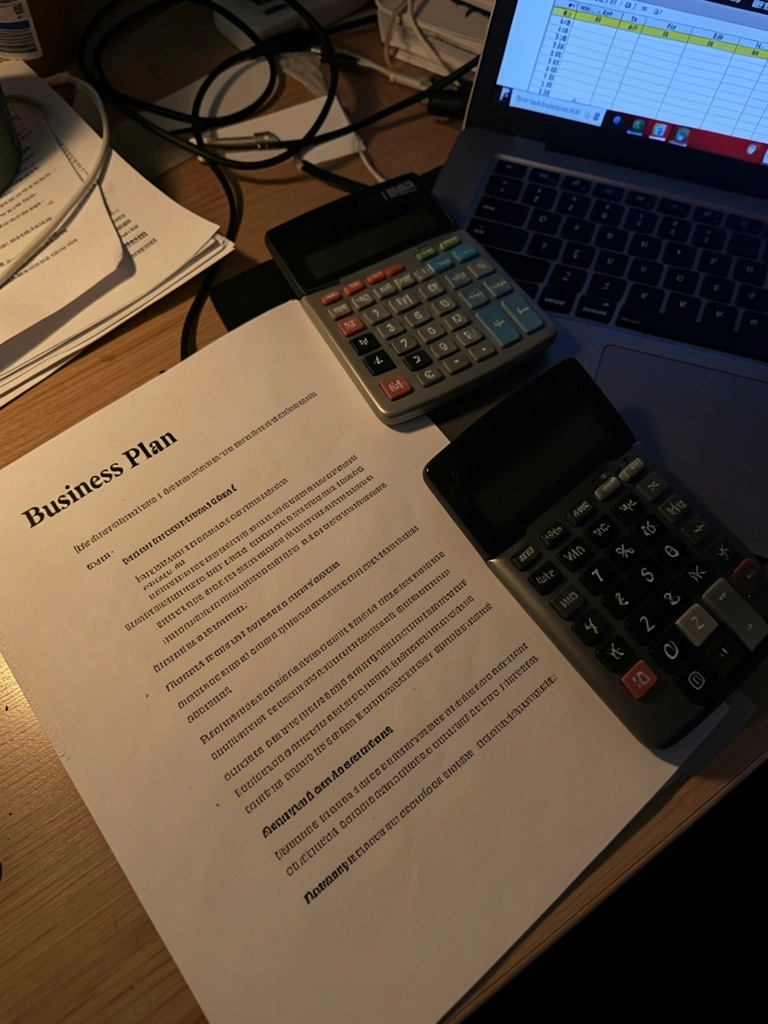
Write one page: who your customer is, what you sell, how you’ll reach them, and basic costs. Build a bare-bones budget that lists setup costs, monthly fixed costs, and a realistic estimate of first sales.
What changes: your decisions stop being guesses and become trade-offs you can manage. You can see which expenses to delay and which must happen to start selling.
Insight many miss: a tiny, clear budget directs where to spend the first dollars. Mistake to avoid: overloading the first month with optional costs like premium software or expensive logos.
Step 3: Set up basic legal and banking structure
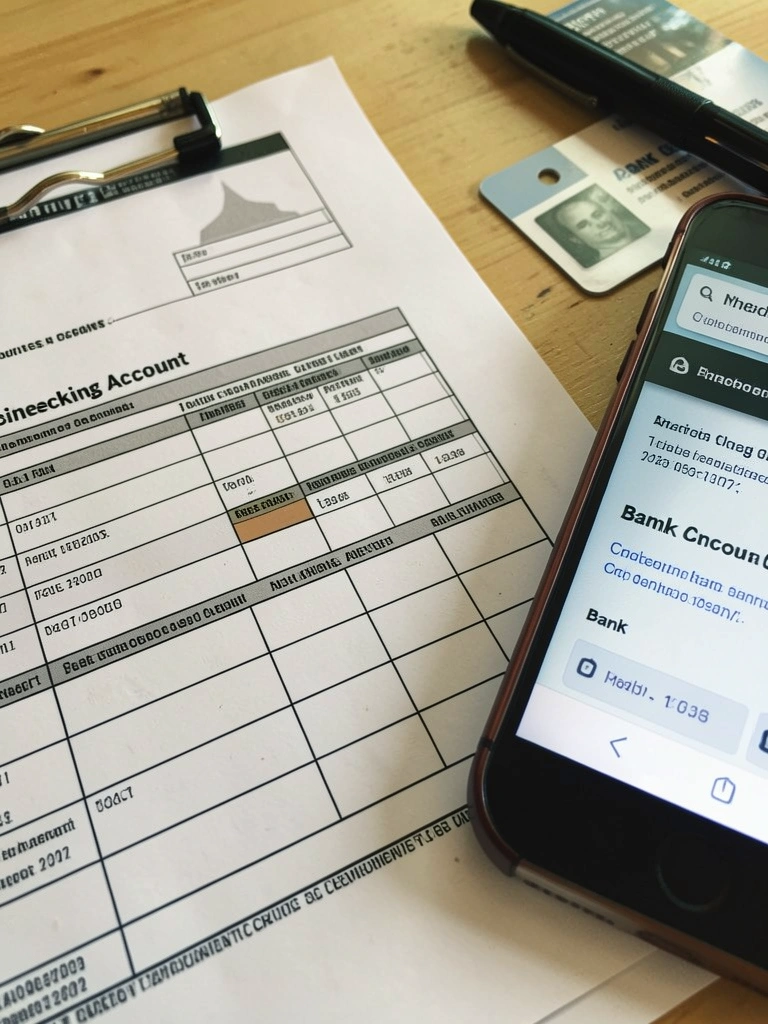
Choose the simplest legal structure that fits your risk level and local rules, and open a dedicated business bank account. Keep personal and business money separate from day one.
What changes: bookkeeping becomes straightforward and taxes stay simpler. You gain clearer visibility into real business cashflow and can track profitability by month.
Insight people miss: separation of accounts prevents accidental cross-subsidizing of personal spending. Mistake to avoid: delaying a business account because the first months are small — mixing accounts creates confusion later.
Step 4: Build a minimum viable offer and set clear pricing
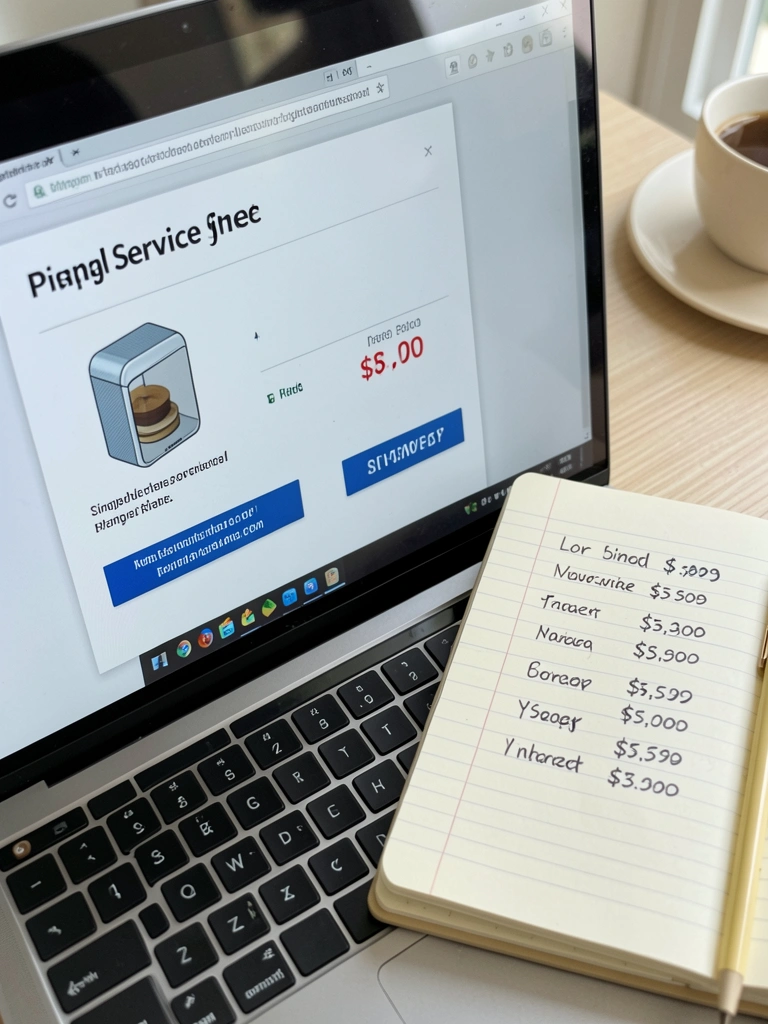
Create the smallest version of your product or service that solves the core problem. Price it so you cover direct costs and value your time, then offer a launch discount or introductory package.
What changes: you move from planning to selling. Customer feedback will tell you whether the core solution lands and if pricing feels fair in the market.
People miss the value of simple packaging — clear deliverables and timelines build confidence. Mistake to avoid: overcomplicating the offer with too many options before you know what sells.
Step 5: Launch a small test, collect payments, and gather feedback
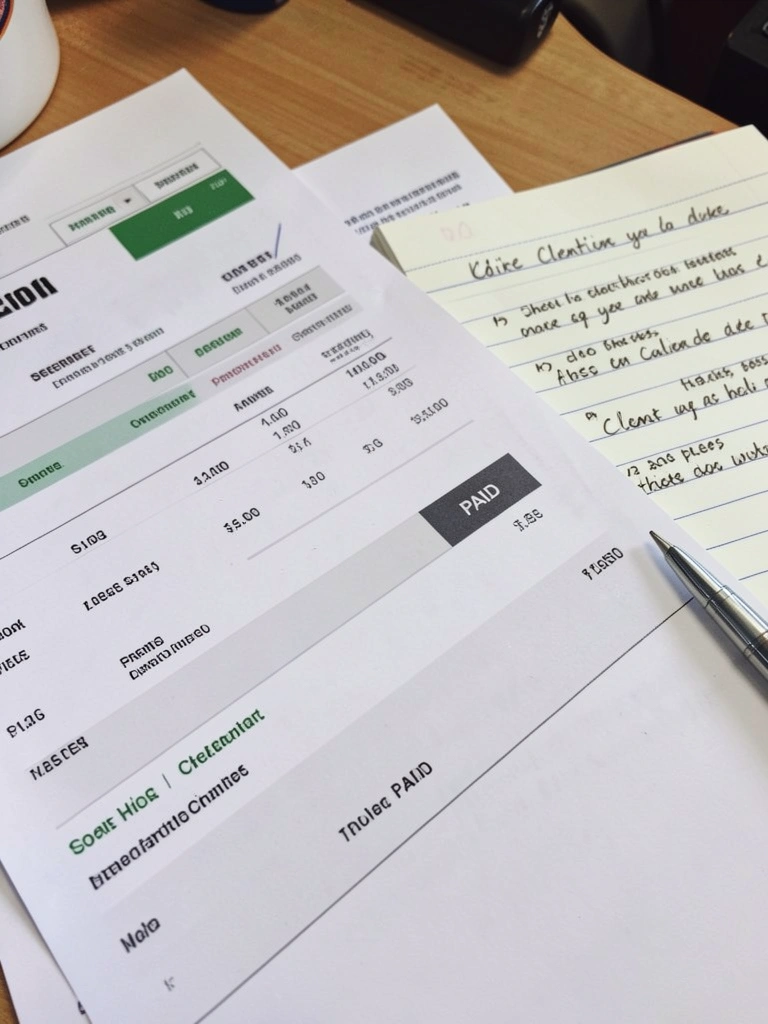
Run a small launch aimed at a limited audience — email contacts, local groups, or targeted ads. Make the purchase process obvious and collect payment upfront when possible.
What changes: you generate real revenue and a record of conversion. Feedback from paying customers becomes actionable and prioritizes what to fix next.
Insight often missed: paying customers give clearer feedback than surveys. Mistake to avoid: treating soft praise as validation — prioritize real bookings or sales.
Step 6: Track finances weekly and iterate monthly
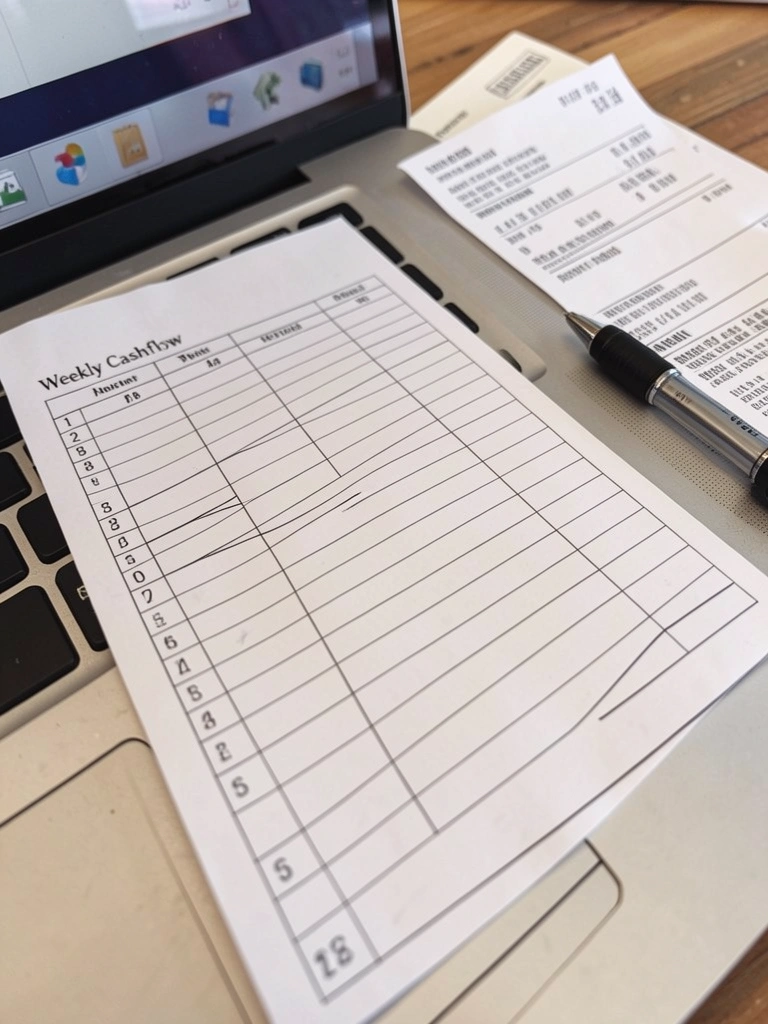
Record income and expenses every week. At the end of each month, compare actuals to your one-page budget and decide one change to improve revenue or reduce cost.
What changes: you spot cash shortfalls early and see which marketing or product choices actually move revenue. Decisions become small experiments with clear metrics.
People miss the value of small, regular reviews; problems compound when ignored. Mistake to avoid: only checking finances when something feels wrong — regular tracking prevents surprises.
Common mistakes people make with this
You overbuild before proving demand. Spending on advanced branding or inventory before a paid test wastes time and money.
You mix personal and business funds. This makes it hard to know if the business is viable and complicates taxes.
You chase perfection instead of learning. Small launches create useful data; perfect launches often never happen.
How to know it's working
You have paying customers who return or refer others. That indicates the core offer meets a real need.
Revenue covers recurring costs and leaves a small margin you can reinvest. Your bookkeeping matches bank activity without surprises.
You can clearly say which customer group buys most and what marketing brings them. If you can answer that, you have repeatable activity.
What to do if this doesn't fit your situation
If you face heavy regulation or licensing, prioritize legal steps and consult a professional before selling. Your timeline will differ, and that’s okay.
If capital is very limited, start as a side project and scale only as you earn. Keep the offer simple and time-bound so it won’t consume all your hours.
If your idea needs partners or suppliers, test those relationships with short contracts and clear deliverables before committing long-term.
Final Thoughts
Start small and keep your first steps measurable. Each action should produce either a sale, clear feedback, or a financial record.
Focus on decision points: customer need, simple budget, separation of money, and regular tracking.
Keep experiments short and repeat the ones that produce paying customers. That steady work builds a real, manageable business.