How To Start A Small Business From Home
Your bank balance jumps around and side projects never get beyond notes on a phone.
You want to start a small business from home that fits your hours and begins to pay you for real work.
This guide gives a clear sequence: decide, set finances, handle admin, launch, and keep cash moving.
No jargon. No pressure. Just practical steps you can take this week.
How To Start A Small Business From Home
You will learn a practical sequence that moves an idea to paying customers, keeps finances tidy, and makes day-to-day operations manageable.
This is achievable with small, steady choices that lead to clear results.
Step 1: Define one clear offer and your target customer

Write a single sentence that explains what you sell, who it helps, and the main benefit. This forces a decision and keeps your early marketing focused.
Decide your delivery method (digital, shipped product, local service) and a simple price approach. That choice changes how you set up operations and how quickly you can start taking money.
People often miss testing the idea with one real customer before building more. One quick sale gives more information than weeks of planning.
Avoid overcomplicating the offer or splitting attention across too many products. Focus on one sellable thing first.
Step 2: Separate your business money and estimate startup costs

Open a dedicated account for incoming sales and one for basic expenses or use clear labels if a separate account isn’t possible yet. This prevents business cash from blending into personal spending.
List essential startup costs and recurring expenses. Knowing your baseline changes how you price and when you can afford to scale.
Many people undercount ongoing small costs like shipping, software, or packaging. Track the first two months closely to see real expense patterns.
Avoid using business money for personal purchases. That habit hides profit and makes bookkeeping harder later.
Step 3: Handle simple admin and basic bookkeeping
Pick a simple legal or tax status to operate under and register if required in your area. Keep documentation for any expenses and sales from day one.
Set up a basic bookkeeping routine: record sales, log expenses, and reconcile weekly. This changes your mindset from “I’ll deal with it later” to “I know what’s happening now.”
People often overlook sales tax or local permits until they get a notice. Check requirements early so surprises don’t erode profit.
Avoid delaying bookkeeping. Small mistakes compound and make decisions harder when revenue grows.
Step 4: Build a minimal sales process and start selling
Create one straightforward path for a customer to buy: a single product page, a service booking link, or an invoice template. Keep the path short and tested.
Start with friends, existing contacts, or a small ad to get the first customers. Early sales produce real questions about delivery and pricing that planning won’t.
An often-missed insight is that selling fixes product issues faster than tweaking features. Real feedback directs sensible improvements.
Avoid making the checkout or booking process complicated. If customers hit friction, they drop out and learning stalls.
Step 5: Set a weekly routine to track cash flow and customer feedback
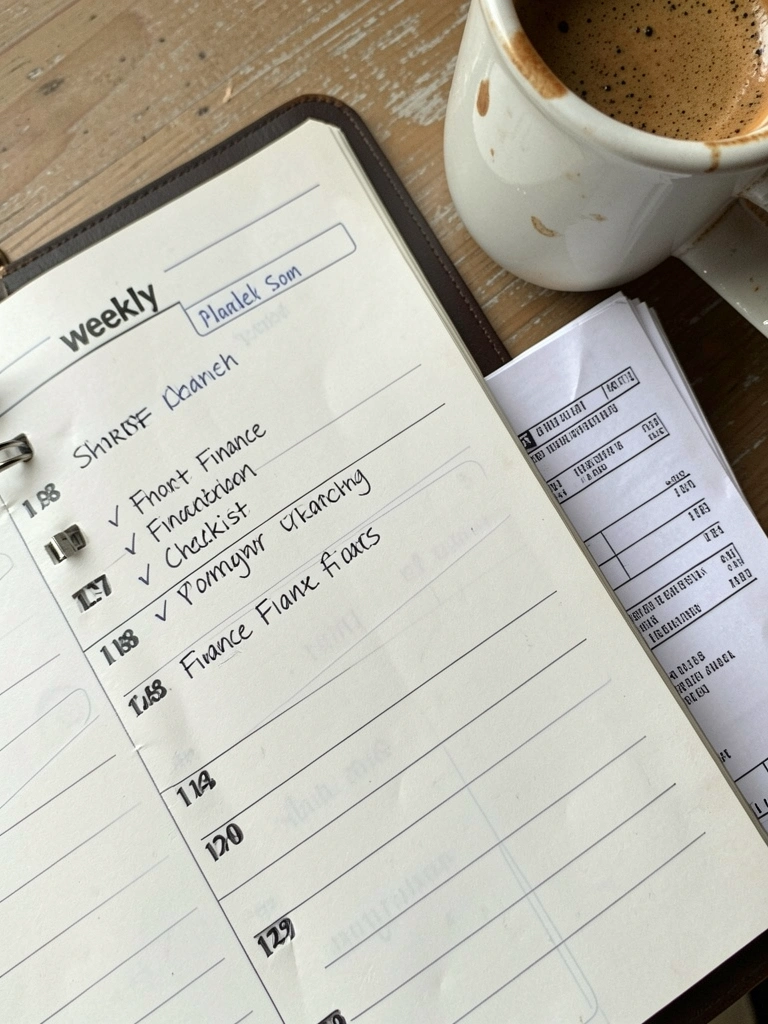
Block a short weekly session to review bank activity, outstanding invoices, and customer messages. This keeps cash flow visible and predictable.
Use that time to update prices, reorder supplies, and note common customer questions. These small adjustments change how scalable and reliable your process becomes.
People miss tracking small, frequent expenses that slowly reduce margin. Weekly checks catch patterns early.
Avoid letting bookkeeping slip to “once a month.” Regular attention prevents surprises and reduces stress.
Common mistakes people make with this
You assume the idea will sell without testing. That delays real feedback and wastes time.
You mix business and personal money. That obscures profit and complicates taxes.
You overbuild the product before one paying customer exists. That ties up resources in unvalidated features.
How to know it's working
You see consistent small sales and a short list of repeat buyers or steady inquiries.
Your business account shows clear inflows and manageable outflows during weekly reviews.
You spend less time firefighting and more time improving the offer or customer experience.
What to do if this doesn't fit your situation
If you lack time, scale back to a single weekly sales window and automate simple tasks like invoicing or email replies.
If legal or tax requirements are unclear, consult a local professional to confirm registration and reporting expectations.
If initial customers don’t appear, revisit the target customer sentence and where those people spend time online or locally.
Final Thoughts
Start small and treat early sales as experiments. Each interaction teaches a practical fix.
Keep finances separate and review them weekly to stay in control.
This approach reduces confusion and turns a messy idea into a manageable, small home business.