
10 Inspiring Girls Business Ideas That Work
You want a side hustle that feels like you. Something practical, not a fantasy.
You want clear first steps and an honest sense of how much time it takes.
You want ideas that actually make money, that scale, or pay for school, tools, or savings.
10 Inspiring Girls Business Ideas That Work
These 10 ideas are practical, low-to-moderate startup cost, and beginner-friendly.
They cover creative, service, and resale options.
Each idea includes what to do first and what to watch for.
1. Sell Handmade Jewelry Online

Handmade jewelry sells because it’s personal and low-cost to start. You can prototype with inexpensive materials, photograph pieces on a plain background, and list them on an online marketplace or social shop.
You’ll notice profit starts when your materials cost less than half the sale price. Track each piece’s cost so pricing covers time and packaging.
A common mistake is underpricing for creative satisfaction. Recalculate after three sales and adjust. Start with five signature pieces, photograph well, and commit to improving images and descriptions over time.
2. Niche Online Tutoring or Coaching

If you’re good at a school subject, language, or a creative skill, tutoring pays. Set hourly rates based on local tutoring norms and your experience. Offer a free 15-minute intro to win clients.
You’ll earn steadily once you have repeat students. Use a simple booking calendar and invoice system so payments don’t slip through the cracks.
Watch scope creep—students sometimes ask for unlimited support. Set clear session lengths and a cancellation policy. Start with small packages (three or five lessons) to build referrals and predictable income.
3. Social Media Content Services for Small Shops

Local makers and small shops need content but often avoid it. Offer affordable monthly packages: a set number of posts, captions, and basic scheduling. Deliver value with a simple content calendar and consistent style.
You’ll change a client’s sales if posts are regular and product-focused. Charge per post or per month and include clear deliverables so both sides know expectations.
A common pitfall is overpromising design complexity. Start with clear templates and grow your toolkit. Ask for one-month trials to prove results and secure longer contracts.
4. Printable Stationery and Digital Downloads

Digital downloads let you sell the same product repeatedly with no shipping. Create printable planners, stickers, or invitations and list them on a marketplace or your own shop.
You’ll see income build slowly as listings accumulate. Improve SEO on product titles and descriptions so shoppers find your niche designs. Use clean previews so buyers understand scale and quality.
Mistakes include ignoring license terms or overcomplicating files. Offer a clear file type and a short how-to. Start with a few high-quality items and add one new design every two weeks.
5. Home Baking or Small Catering for Events

If baking is reliable and legal in your area, small catering for birthdays or local events pays well. Start with a simple menu of three items you can copy perfectly every time.
You’ll need to understand local food safety rules and packaging costs. Price items so labor and ingredients leave room for profit. Use local social groups and word-of-mouth to book initial orders.
A common pitfall is not accounting for delivery time and spoilage. Build those into prices and confirm orders 48 hours ahead. Keep receipts and track ingredient costs for accurate pricing.
6. Thrift Flipping and Resale

Thrift flipping uses low buy-in and sharp eye for value. Hunt for underpriced items, clean or repair them, and list with clear photos and measurements.
You’ll make reliable margins when you know what sells in your audience. Track purchase price, cleaning supplies, and listing fees so profits aren’t illusions.
A common mistake is buying emotionally instead of for resale. Set a strict buy budget and a quick flip timeline—if an item sits more than a month, consider lowering price or relisting with new photos.
7. Pet Care: Dog Walking and Housesitting

Pet care fits flexible schedules and low startup cost. Offer walks, drop-in visits, or short housesits with clear rates per visit and easy booking options.
You’ll build steady local income through repeat clients and referrals. Use a short intake form to note pet needs, emergency contacts, and behavior to avoid surprises.
Watch liability and time misestimates. Confirm expectations and include a cancellation policy. Start with neighbors or community groups for initial clients and track mileage or supplies for tax time.
8. Mobile Beauty Services: Nails or Simple Makeup

Offering mobile manicures or simple makeup for events keeps overhead low. Start with a basic kit, hygienic practices, and clear pricing for travel and add-ons.
You’ll get booked for evenings and weekends if scheduling is simple and communication is prompt. Offer package deals for bridesmaids or groups to lift average transaction size.
A pitfall is undercharging for travel or appointment time. Build travel fees into quotes and confirm locations ahead. Keep a quick checklist to ensure consistent service and repeat bookings.
9. Party and Event Styling for Small Gatherings
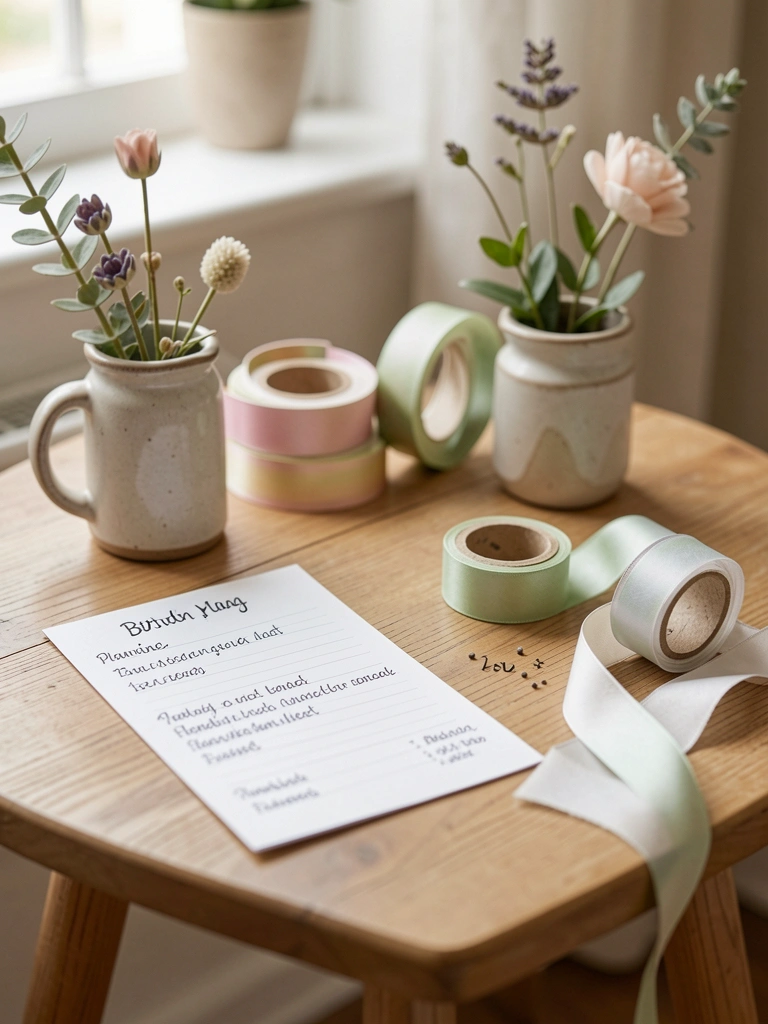
Simple event styling—balloons, table setups, themed decor—serves parents and small businesses. Create three package tiers with clear deliverables: basic setup, full décor, or DIY kit plus assembly.
You’ll make more by specializing and keeping an inventory of reusable decor. Charge per hour or per event, and include setup and teardown time in quotes.
A common mistake is not having written agreements about damage or late changes. Use a simple contract and request a deposit. Start by offering styled photos to build a portfolio.
10. Curated Subscription Boxes or Craft Kits
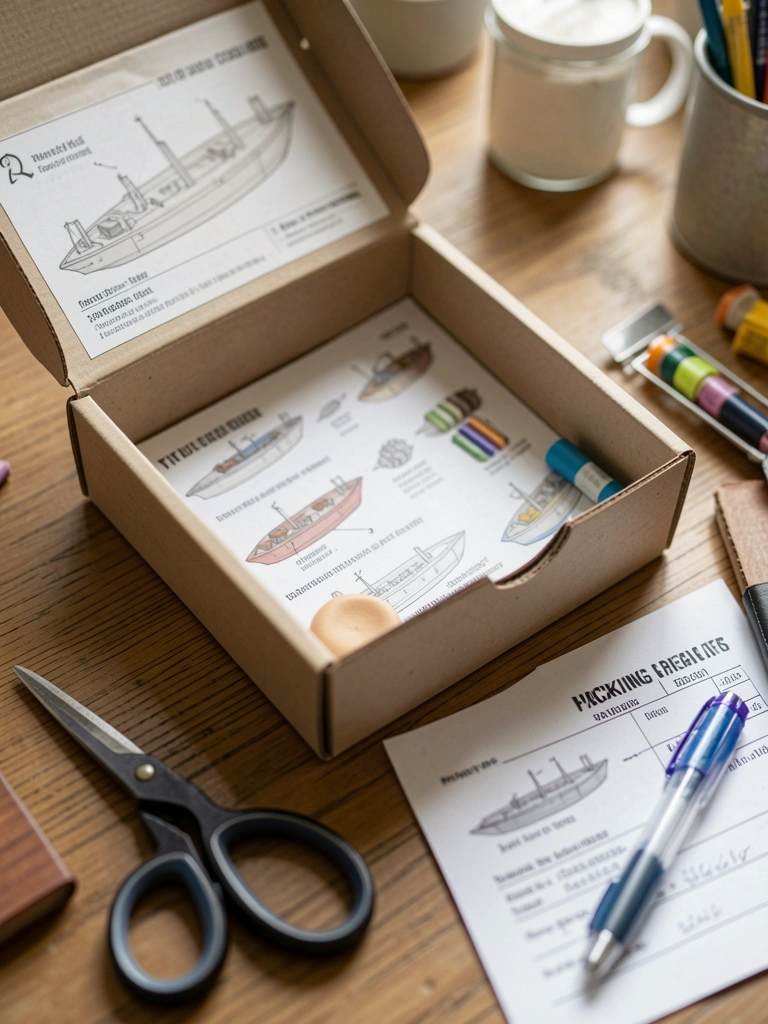
Curated boxes or craft kits focus on repeat customers. Start with a limited run—20 boxes—to test demand. Source cost-effective supplies and include clear, attractive instructions.
You’ll learn quickly which themes sell and what packaging costs. Price so the box covers supplies, packing, shipping, and a modest margin. Offer subscriptions or one-off boxes.
Pitfalls include underestimating packing time and shipping costs. Build those into price calculations and ask for feedback after delivery. Adjust contents based on what customers actually use.
Final Thoughts
Pick one idea and test it for a month. Small, steady steps beat big, vague plans.
Track time and money honestly. Tweak pricing, offer clear policies, and keep a simple system for bookings and orders.
You don’t need to do everything. Start small, learn what customers want, and grow from there.