
How To Advertise Your Business on Any Budget
You feel like your marketing money disappears with little to show for it.
You try ads, posts, and flyers, but nothing reliably brings customers yet.
This guide shows simple, repeatable steps you can use at any budget to bring clearer results.
No fluff. Just practical choices you can make today.
How To Advertise Your Business on Any Budget
Learn a step-by-step process to pick, fund, and measure ads and promotions so your limited spend attracts visible, repeatable customers.
Step 1: Define one clear objective and the customer who will act on it

Decide the single outcome you want: a booked appointment, a sale, or an email signup. Write that objective down and make it the touchstone for every choice you make.
When you pick one objective, your messaging, channel choice, and budget allocation all become easier. Practically, you stop wasting money on broad impressions and start measuring actions that move your business.
Insight people miss: treating awareness and conversion as the same thing. Small mistake to avoid: splitting your limited budget across too many goals at once.
Step 2: List every affordable channel and choose two to test
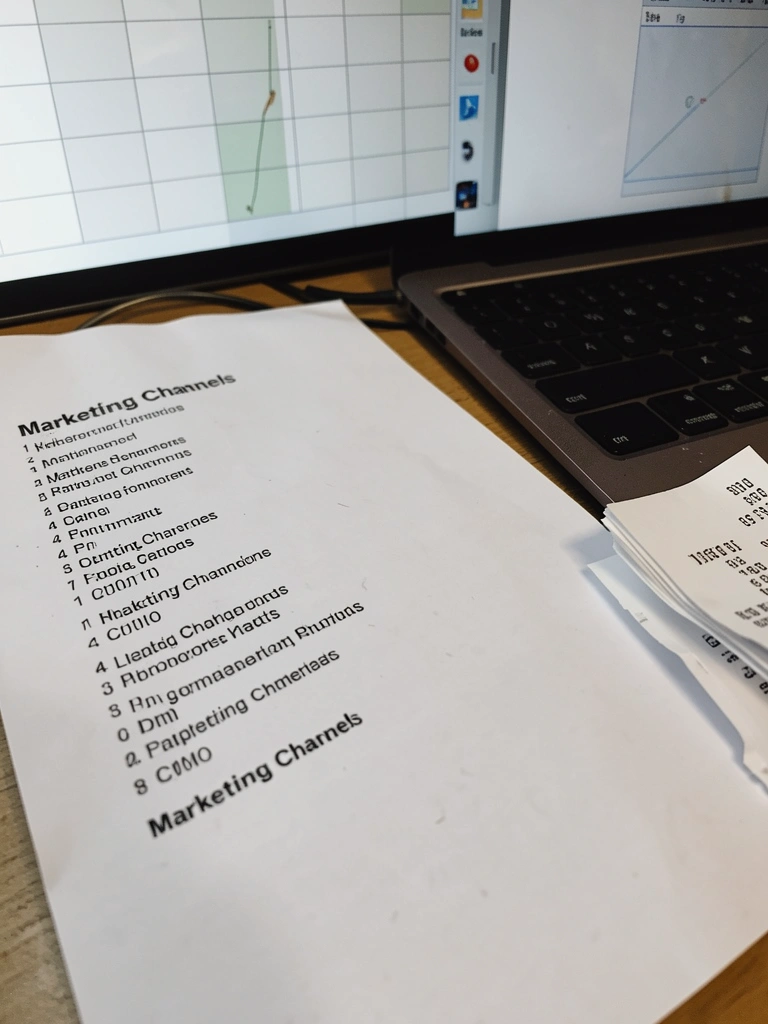
Make a simple list of channels you can afford: local networking, social posts, community boards, email, referrals, cheap ad placements, or partnerships. Note the approximate time or money each needs.
Choose two channels that map directly to your objective and customer. Testing two keeps focus and makes results comparable. Practically, you’ll move from “everything at once” to controlled experiments.
Insight people miss: channel fit matters more than popularity. Small mistake to avoid: testing too many channels without consistent measurement.
Step 3: Create a compact offer and straightforward creative
Craft a single, clear offer that makes the decision easy: a discount, a trial, or a time-limited booking slot. Keep the copy and visuals tight so the message reads in three seconds.
When you simplify the offer and creative, response rates become measurable. Practically, you’ll see which wording or image produces real actions instead of chasing vague engagement.
Insight people miss: complex offers confuse prospects. Small mistake to avoid: changing the offer mid-test—keep the offer steady while testing channel or creative.
Step 4: Set a tiny budget, simple rules, and basic tracking

Decide a small, fixed spend you can afford to lose in a test and write clear stop/go rules: how many leads or clicks you need to see before continuing or stopping.
You’ll change how decisions are made: tests either earn another iteration or stop. Practically, you protect cash while creating a repeatable decision routine you can scale later.
Insight people miss: not defining stop/go rules leads to endless spending. Small mistake to avoid: letting optimism override the predefined rules.
Step 5: Measure the right metric, learn, and scale what works

Track the metric tied to your objective: bookings, purchases, or signups. Record inputs (spend, creative, channel) alongside the outcome so you can compare tests.
When you focus on the right metric, you stop guessing and start repeating what brings results. Practically, you’ll reallocate budget to the winning combination and drop tests that don’t convert.
Insight people miss: celebrating reach instead of conversion. Small mistake to avoid: scaling before confirming the repeatability of results.
Common mistakes people make with this
You spread limited funds across many unmeasured channels and then can’t tell what works.
You skip clear stop/go rules and let tests run until money runs out.
- You change multiple variables at once, which hides what actually caused a result.
- You chase impressions rather than actions tied to your objective.
Fix these by narrowing focus, documenting tests, and treating each spend as an experiment.
How to know it's working
You see a consistent path from spend to the objective you set—more bookings, sales, or signups—not just likes or views.
You can reproduce results across repeated, similar tests with similar creative and channel choices.
Look for improving conversion rates, lower cost per action, and predictable responses when you repeat the same test.
What to do if this doesn't fit your situation
If time is the constraint, swap monetary tests for relationship tests: reach out to partners, ask for referrals, or run a small in-person event.
If your audience is niche and slow to respond, lengthen test windows and focus on tracking lead quality rather than immediate volume.
If regulations or platforms limit options, use community-based channels and direct outreach while documenting each contact and outcome.
Final Thoughts
Start with one objective, two channels, and a tiny test budget. Small, consistent steps beat scattered effort.
Make decisions based on the action you want, not vanity metrics. That keeps spending honest and useful.
Keep experimenting and documenting. Over time you'll have a repeatable process that fits your budget and brings clearer results.