
8 Flexible Side Hustles From Home
You need extra income that fits around work, kids, or the days you don’t feel like hustle culture.
These ideas work from home, start small, and scale if you want.
Pick one that matches your schedule and skill level, try it for a month, and adjust.
8 Flexible Side Hustles From Home
These 8 realistic side hustles you can do from home are starter-friendly and flexible. Each idea explains what to do first and what to watch for. Expect practical steps and honest pitfalls for all eight.
1. Freelance Writing for Niche Newsletters

Writing short, useful newsletter content pays well per piece once you build a niche audience. You can start by pitching 300–600 word pieces to niche newsletters or building your own email list with a few subscribers.
You’ll notice you write faster when you outline topics and reuse research. Charge per piece or per word; many creators prefer flat fees for clarity.
Watch out for scope creep—clients will ask for extra rounds of edits. Set a revision limit and state turnaround times up front to avoid unpaid work.
A simple pitch, two sample lines, and one relevant link is enough to start getting replies.
2. Virtual Assistant for Creators and Small Businesses

You can manage email, calendar, basic social posting, or simple admin tasks from home. Start by listing services you can do reliably for a few hours a week, then offer time blocks rather than open-ended hourly work.
You’ll change how your day looks: predictable chunks of client work and clear boundaries. Many VAs start with 5–10 hours a week and scale up with templates and automations.
A common pitfall is taking on vague projects without clear deliverables. Use a short service agreement that defines tasks and a weekly check-in.
Begin with one client and refine systems before adding another to keep quality steady.
3. Online Tutoring by Topic or Skill

If you can teach a subject or a practical skill, tutoring pays and stays flexible. Offer 45–60 minute sessions and sell packages of lessons for steady income.
You’ll feel progress clearly: students improve, and repeat bookings follow. Use short assessments to identify where sessions should focus and share simple homework to keep clients engaged.
Avoid underpricing early. A common mistake is cheap hourly rates that burn time without reward. Test a fair price and offer a discounted trial session instead.
Keep a lesson template and a calendar you trust to avoid double-booking and missed pay.
4. Create and Sell Digital Templates or Printables
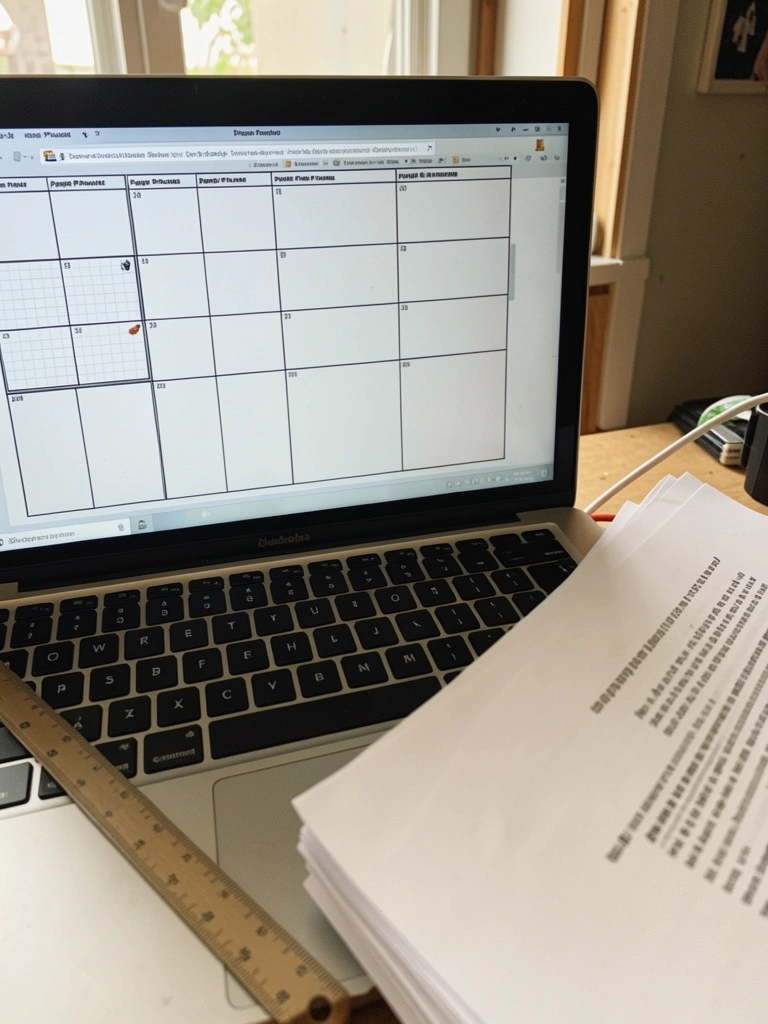
Design simple templates—spreadsheets, planners, resumes, or social media templates—and sell them on marketplaces or your site. One well-made template can sell multiple times without more hours.
You’ll shift from hourly work to product thinking: one day building, then passive sales that continue while you sleep. High-quality previews and clear instructions reduce customer questions.
A common pitfall is overcomplicating files; buyers want simple, editable formats. Provide a short how-to and file types that most people can open.
Start with three templates that solve a clear problem and improve them from customer feedback.
5. Transcription and Caption Work

Transcription pays for careful, focused listening. If you can type accurately and follow style guides, this work fits in small time blocks and scales with speed.
You’ll notice short files are easiest to batch; five 10-minute clips are less draining than one long interview. Use foot pedals or keyboard shortcuts to speed transcription and keep accuracy high.
A pitfall is leaving timestamps inconsistent or mislabeling speakers. Create a quick checklist to ensure consistent formatting before submitting.
Track your words per hour so you know which jobs are worth your time and which aren’t.
6. Micro-Consulting: 30-Minute Paid Calls

Package expertise into short consultations on a clear topic—resume feedback, email taps, or quick strategy calls. Charge per session and offer prep questions to make calls efficient.
You’ll trade deep work for focused, repeatable advice that you can deliver in 20–40 minutes. Use a short intake form so calls stay on topic and you can prepare quickly.
Watch for scope creep: clients asking for ongoing work from a one-off call. State follow-up options and a small additional fee if they want more help.
Keep a one-page checklist for each call so outcomes are consistent and repeatable.
7. Remote Customer Support or Moderation

Part-time remote support work fits into evenings and weekends. Many companies hire contractors to answer emails, chat, or moderate communities on a flexible schedule.
You’ll work in predictable shifts and use prepared responses to resolve common issues quickly. Track average response times and copy common replies into short templates to save minutes each ticket.
A common mistake is not logging tricky cases for review; escalate or document anything outside your authority to avoid repeated problems.
Look for roles that allow set shifts so your side work doesn’t bleed into family or main job time.
8. Reselling Gently Used Items Online

Declutter and resell items you bought but no longer need. Focus on good photos, honest descriptions, and clean packaging—those details sell quicker and reduce returns.
You’ll convert clutter into predictable small income that compounds over time. Price competitively, factor in fees and shipping, and re-evaluate listings that don’t move after a month.
A pitfall is underestimating time prepping items; the real cost includes cleaning, photographing, and packing. Keep a staging area and a small shipping kit ready.
Rotate categories seasonally—clothing in spring, electronics toward holidays—to keep listings fresh and relevant.
Final Thoughts
Pick one idea and commit to consistent, logged time for four weeks. Track hours, earnings, and what drains you.
You don’t need to do everything. Small, steady wins add up and teach what to scale.
If something feels like busywork, stop and reallocate time to the next idea until one fits your life.