
How To Save For A House Faster
Saving for a house feels slow and chaotic.
You open accounts, move money randomly, and still wonder when you'll reach a real down payment.
This guide lays out a clear, repeatable plan to speed your progress and reduce decision fatigue.
No gimmicks. Just practical steps that change your cash flow and timeline.
How To Save For A House Faster
This shows exactly how to pick targets, free up cash, and keep momentum so your down payment grows faster without adding stress.
Step 1: Define a clear target and timeline
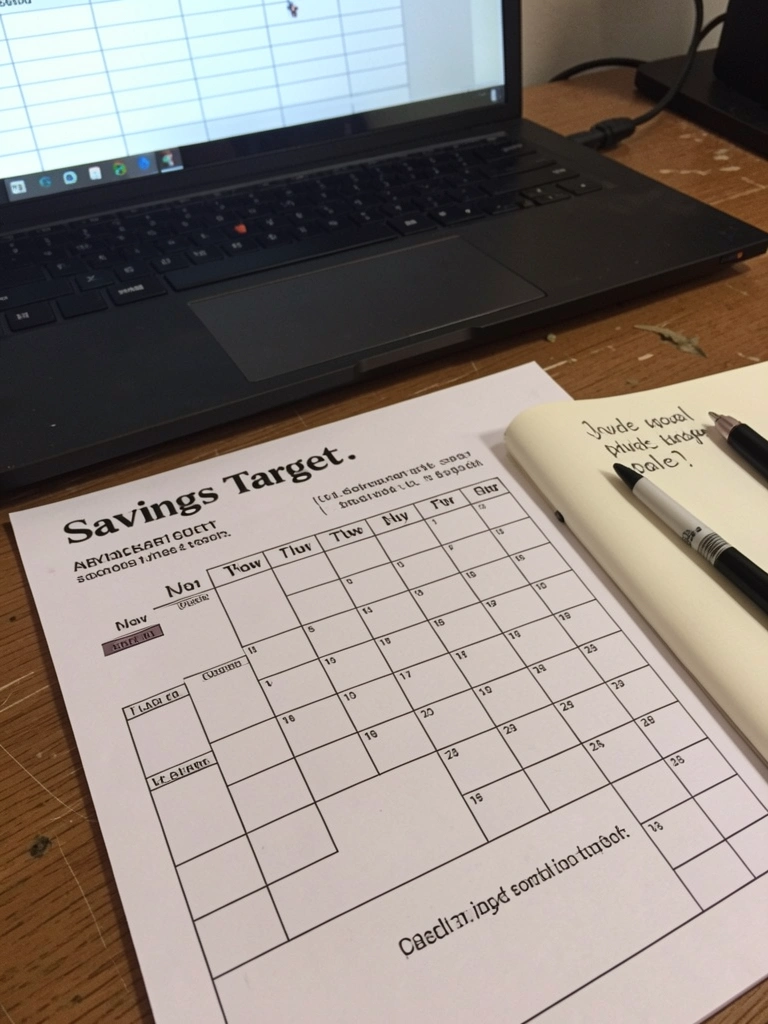
Decide the amount you want and when you'd like to reach it. Write the target and the deadline where you see it daily. That clarity makes decisions simple: every extra dollar either moves the date or reduces the amount you need to save monthly.
What changes: your budget gains a north star. You stop treating savings as vague and start testing whether current spending aligns with your timeline.
Missed insight: include extra costs like inspections, closing fees, and moving in your target so the goal is realistic.
Small mistake to avoid: setting an unrealistic timeframe that forces constant shortfalls and burns motivation.
Step 2: Automate and separate the house fund

Set up a dedicated account for the house fund and automate transfers right after payday. Treat the transfer like a bill you must pay. Automation removes daily decisions and protects the fund from impulse spending.
What changes: your available checking balance will reflect the money you actually can spend, so budgeting feels clearer and urgent.
Missed insight: add sub-accounts or labels for taxes, inspection fees, or furniture, so you don't dip into the main down-payment number unknowingly.
Small mistake to avoid: keeping the fund in your main checking account where you’ll be tempted to use it.
Step 3: Cut predictable leaks and redirect the savings
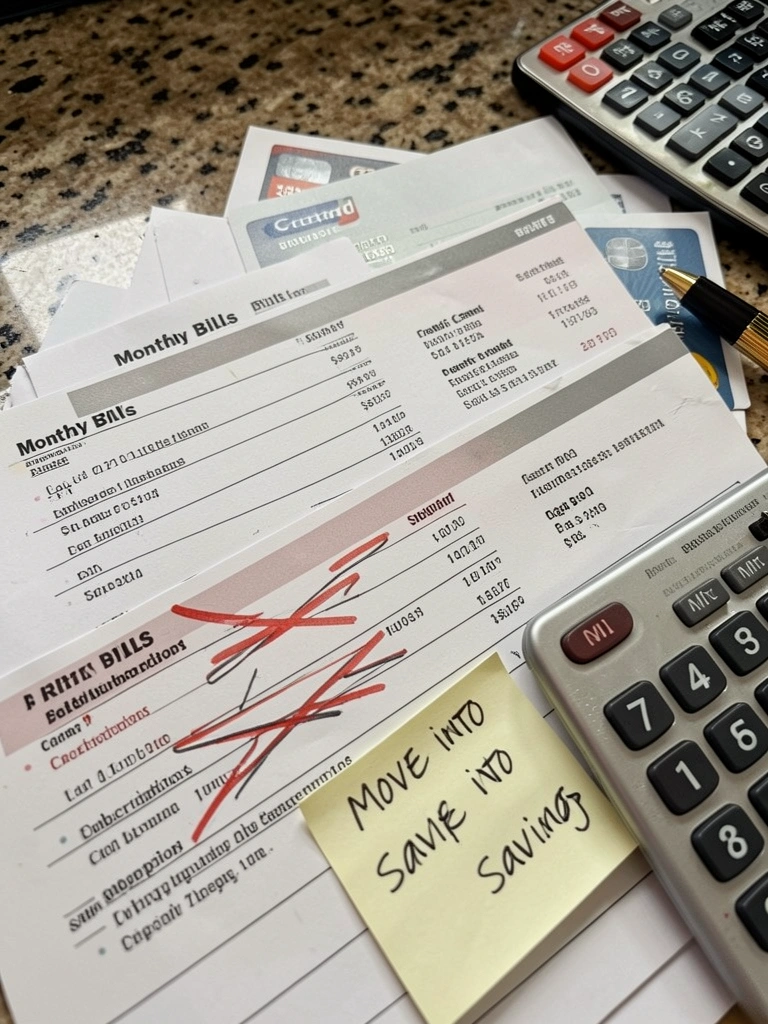
Review recurring expenses and small regular spend categories first. Cancel or downgrade subscriptions you rarely use and negotiate services you keep. Then reassign the freed cash directly into your house account.
What changes: predictable monthly outflows shrink and you create a steady, sustainable boost to your savings rate.
Missed insight: small annual fees and automatic trial renewals quietly eat away at the fund if unchecked.
Small mistake to avoid: cutting every comfort at once. Remove wasteful spending, but keep a few small, morale-supporting expenses to avoid burnout.
Step 4: Increase income strategically and funnel gains

Choose realistic income steps that fit your schedule. That might be overtime, a short freelance project, or selling items you no longer need. Decide in advance how to split any extra earnings: a portion to the house fund, a portion to an emergency buffer.
What changes: occasional or permanent income boosts turn directly into faster progress instead of being absorbed by daily spending.
Missed insight: treating one-off windfalls as recurring income leads to overspending; plan for them as special contributions instead.
Small mistake to avoid: increasing your lifestyle to match the extra income instead of using it to shorten the timeline.
Step 5: Track checkpoints and adjust the plan

Set regular checkpoints—monthly or quarterly—to compare balances against the timeline. If you’re behind, decide whether to extend the timeline, find more savings, or add income. If you’re ahead, consider whether to keep the pace or pause and reassess priorities.
What changes: checkpoints turn vague hope into concrete decisions. You get to choose trade-offs instead of being surprised at the finish line.
Missed insight: many people forget to update the target when life changes; realistic adjustments prevent frustration.
Small mistake to avoid: ignoring small shortfalls early, which compound into bigger delays later.
Common mistakes people make with this
You let the house fund live in the same account as daily spending, which makes accidental withdrawals common.
You treat every extra dollar as discretionary and never route windfalls or raises into the house fund intentionally.
Simple fixes:
- Move the fund to its own account and automate transfers.
- Pre-decide how to split any extra income into savings and buffer.
How to know it's working
You see the house account balance grow steadily on your checkpoints. The rate may vary, but the trend is upward.
Your checking balance becomes a better reflection of money you can actually spend, and months without progress trigger a clear corrective action.
If you can point to recent decisions that increased the monthly transfer or cut recurring outflows, the plan is working.
What to do if this doesn't fit your situation
If debt or essential expenses block savings, focus first on stabilizing core needs and building a small emergency buffer.
If income is irregular, use a cadence-based approach: calculate an average monthly transfer you can sustain and adjust each month as needed.
If timelines from family, job, or housing market constrain you, extend the deadline and keep the plan consistent so you don’t burn out.
Final Thoughts
Start with one clear change: a target and an automated transfer you can maintain.
Small, steady adjustments add up and keep decision fatigue low.
This approach makes progress predictable and manageable, so you reach the down payment with less stress and clearer choices.