
12 Creative Ice Cream Business Ideas
You like ice cream and you want a business that actually pays you back for the work.
You need ideas that fit different budgets and schedules.
These 12 options show what to try first, what costs to watch, and what to measure next.
12 Creative Ice Cream Business Ideas
These 12 strategies cover low-budget starts, scalable concepts, and niche plays you can test quickly.
Each idea is practical and actionable — exactly 12 ideas included.
1. Mobile Ice Cream Truck with a Simple Route
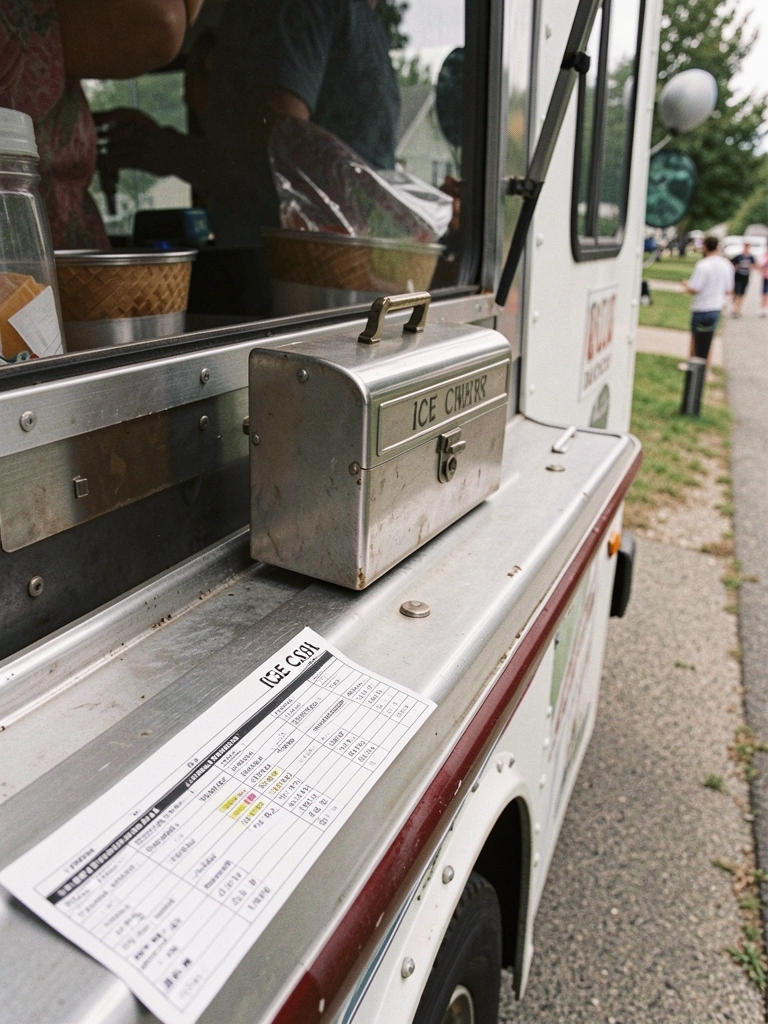
A truck lets you reach neighborhoods, events, and lunch crowds without costly retail rent. You can test routes for a few weeks and pick the busiest spots that pay consistently.
Expect setup costs for a used vehicle and equipment; plan on running profitable days to cover fuel and permits. Track daily sales by route and time to spot patterns.
A common mistake is underpricing to compete — that eats margin fast. Price for labor and spoilage, and rotate high-demand stops rather than chasing every event.
Tip: start with a shortlist of 3 reliable locations and refine based on actual sales over two weeks.
2. Farmers Market Pop-Up Stall
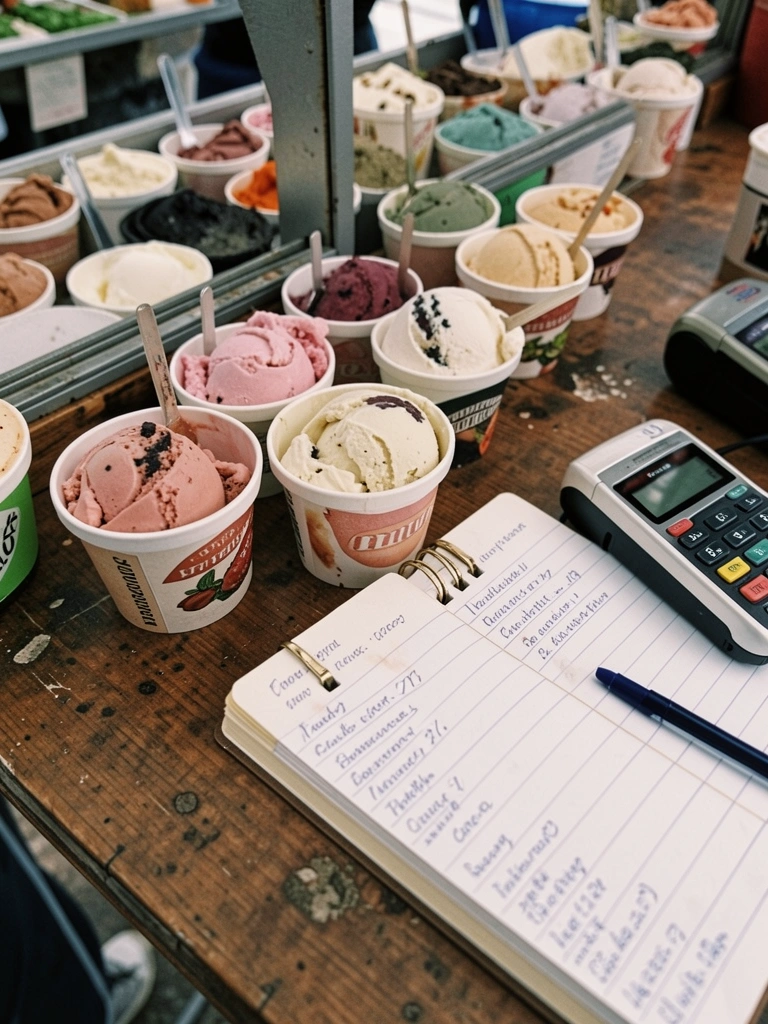
A stall keeps your overhead low and plugs directly into foot traffic that already values local food. You can sell pints, single scoops, or small tubs based on what sells fastest.
Bring inventory limits and a simple POS to record each sale; many vendors see clearer margins by comparing weekday vs weekend revenue. Expect steady repeat customers if flavors are consistent.
Watch for weather-driven volatility — a rainy weekend can wipe out revenue. Don’t overbuild inventory for every market day; freeze extra pints strategically.
Tip: test one new flavor per market day to learn what converts without wasting supply.
3. Subscription Pints Delivered Monthly
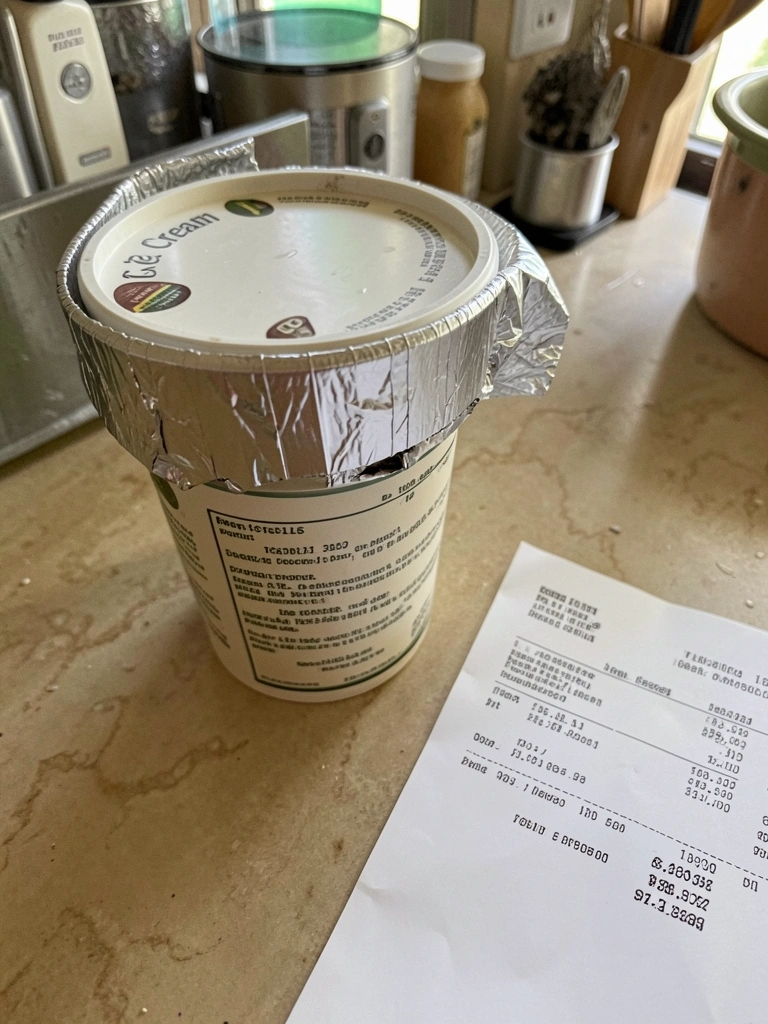
A subscription smooths cash flow and helps forecast ingredient purchases. You can start with small batches and limit deliveries to a city radius to control logistics.
Charge per box with a minimum commitment to offset delivery and packaging costs. Track churn monthly and ask subscribers which flavors they’d keep buying — retention matters more than one-time orders.
A pitfall is underestimating shipping and insulation costs, which can erase margin. Start with local delivery or pickup before offering wider shipping.
Tip: offer a simple three-month option to cover initial costs while proving the model.
4. Niche: Vegan and Dairy-Free Ice Cream
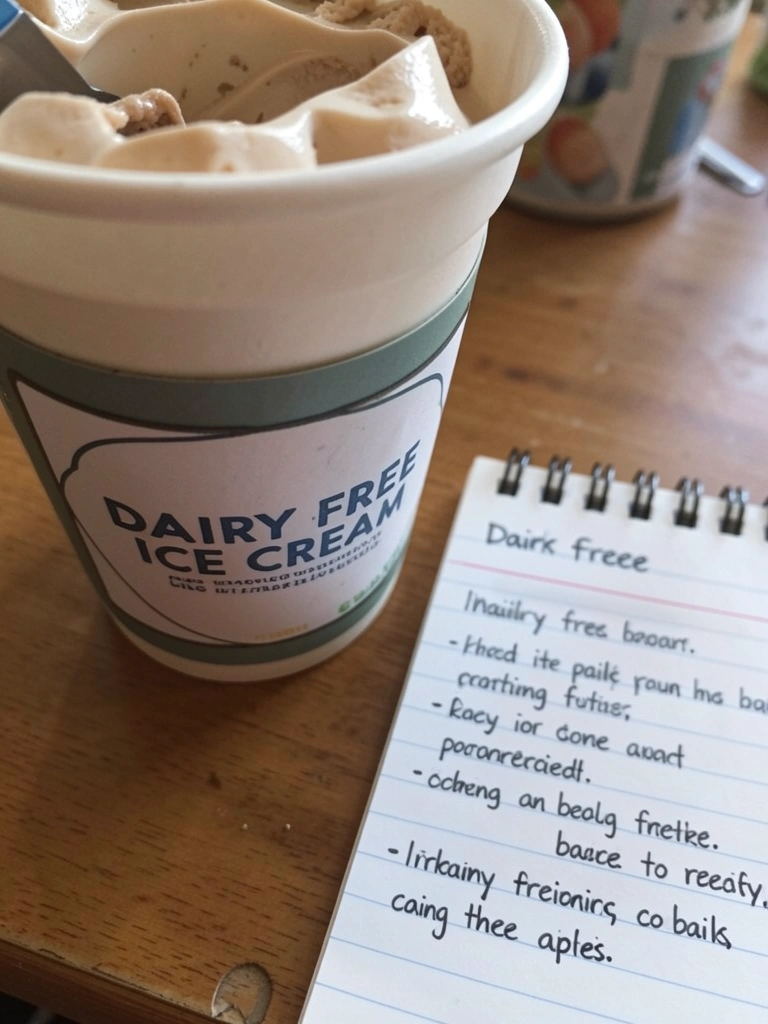
Targeting a dietary niche reduces competition and lets you charge for specialty ingredients. You’ll attract repeat customers willing to pay a bit more for reliable options.
Ingredient costs can be higher, so build recipes that balance taste with more affordable bases. Track per-pint cost closely to maintain healthy margins.
A frequent mistake is copying dairy recipes without testing texture and stability for plant bases. Expect a few iterations before a crowd-pleaser emerges.
Tip: sample at community groups or online forums before scaling to confirm demand and pricing tolerance.
5. Corporate Catering and Office Deliveries
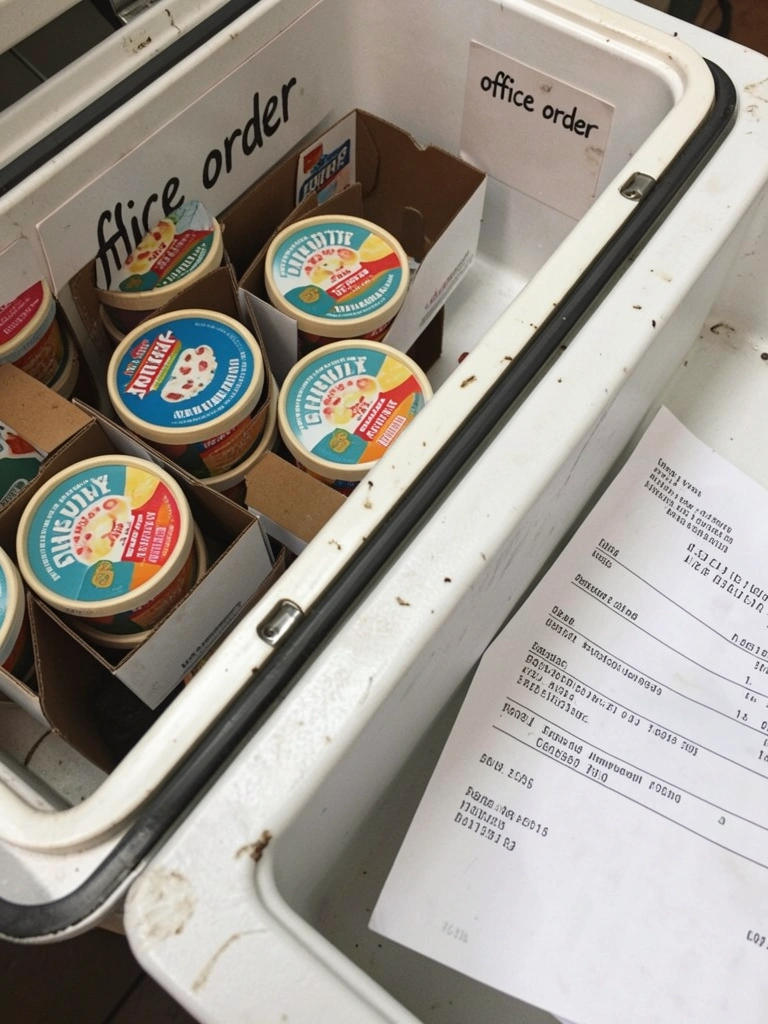
Selling to offices and events brings larger orders and predictable payment when billed properly. You can sell platters or individual portions for meetings and team treats.
Invoice promptly and set payment terms to avoid chasing small accounts. Map delivery times to avoid rush-hour delays that eat into hourly profits.
A common error is ignoring permit or food-safety requirements for large events. Check local rules early to avoid fines or canceled orders.
Tip: start with small businesses nearby and collect feedback; one reliable corporate client changes weekly revenue predictability.
6. Mall Kiosk Focused on Quick Service
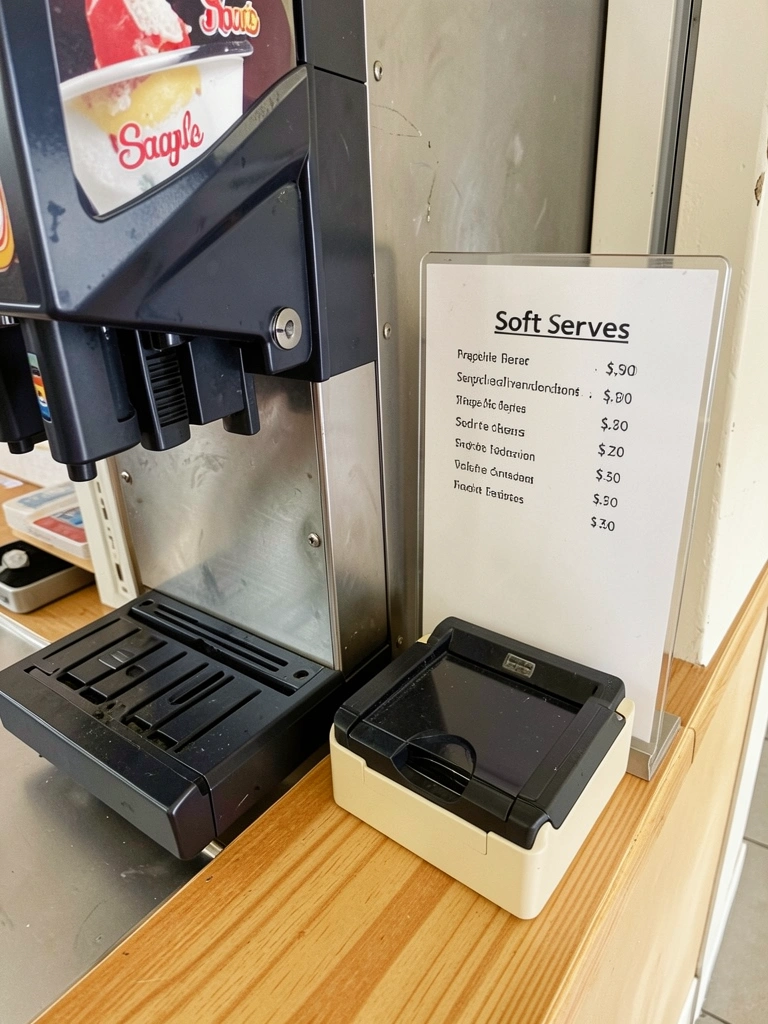
A kiosk cuts rent compared with a full storefront but adds steady foot traffic. You can focus on fast turnover items like sundaes or specialty cones.
Negotiate rent with a short-term clause to test performance; some malls offer introductory rates. Track sales per square foot to compare with other locations.
Pitfall: overinvesting in elaborate decor before proving sales — that delays break-even. Keep fixtures simple and revenue-focused initially.
Tip: measure average sale value for two weeks and add a low-cost upsell to increase that number without complicated operations.
7. Ice Cream Bicycle Cart for Neighborhood Routes
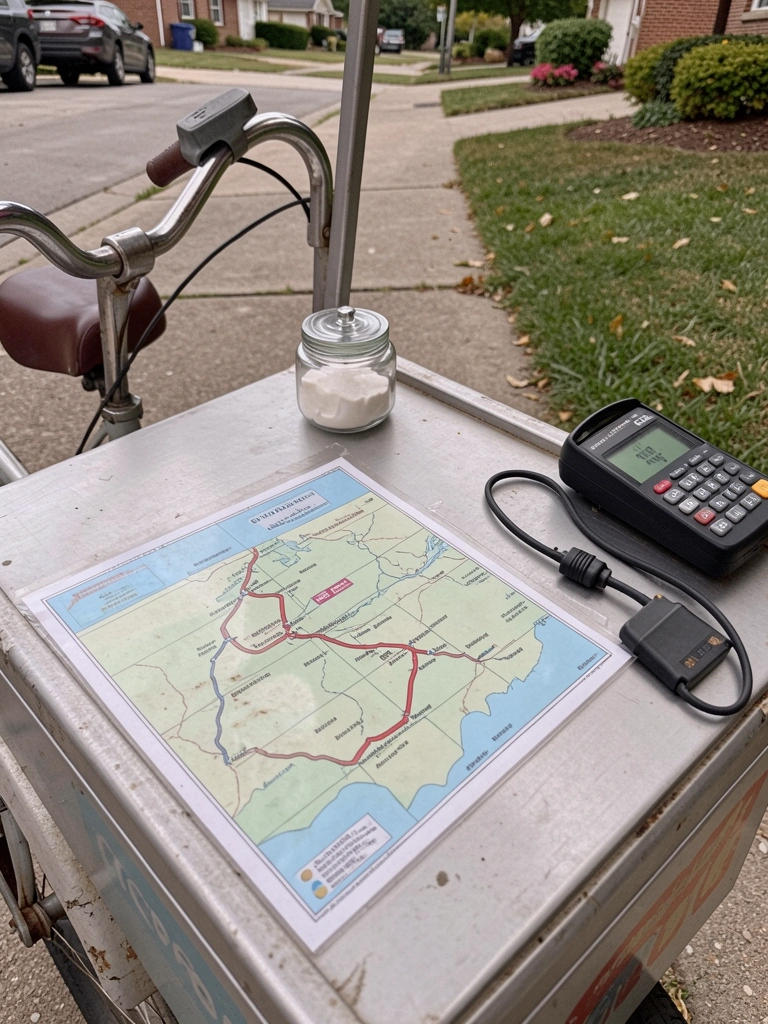
A pedal cart needs much less capital and is flexible for parks, campuses, and festivals. You can test different neighborhoods cheaply and adjust hours for best sales.
Because mobility reduces rent, more of each dollar goes to product and labor. Log daily sales and note which times yield steady customers to refine your schedule.
A common mistake is skipping permits for public spaces — enforcement varies and fines can be costly. Check local requirements before daily operations.
Tip: start with busy weekends and build a simple route that you can realistically bike for several hours.
8. Wholesale to Cafés and Grocery Stores
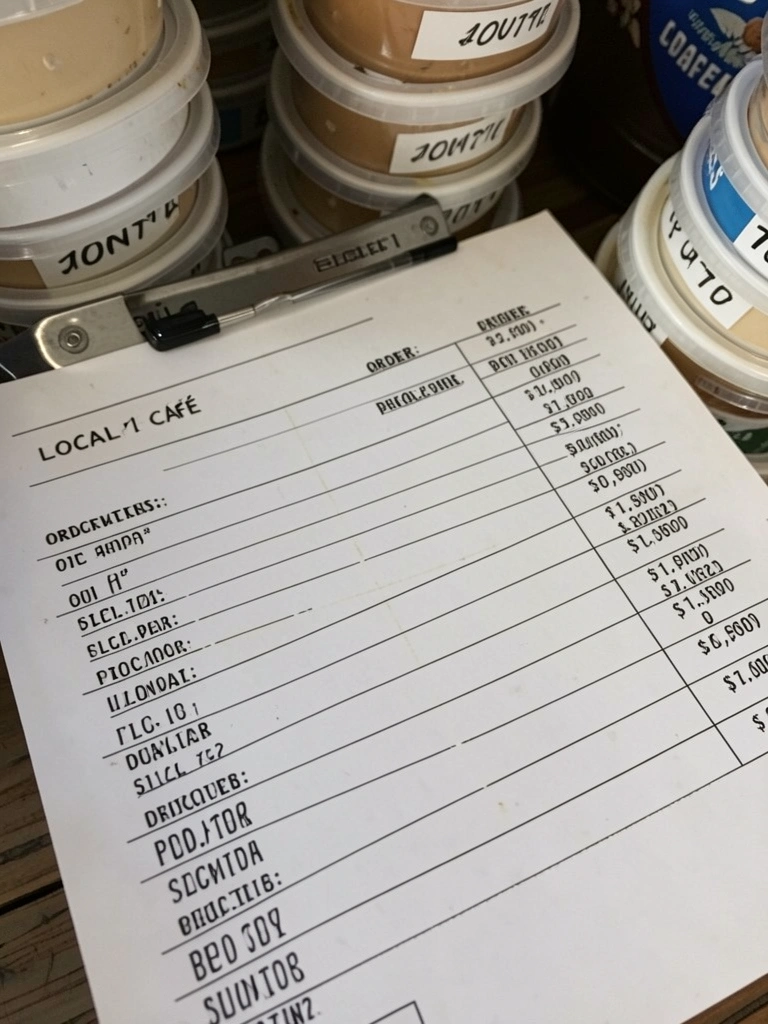
Selling wholesale increases volume and reduces customer-facing hours. You’ll need consistent quality and packaging that stores can stock easily.
Set clear minimum orders and lead times to manage production. Calculate a wholesale price that covers production and leaves room for the retailer’s margin.
Pitfall: taking small wholesale orders that cost more to fulfill than they return. Prioritize relationships with stores that can place repeat, predictable orders.
Tip: offer a limited starter menu for wholesale so production stays efficient and flavors remain consistent.
9. Ice Cream Sandwich or Novelty Product Line
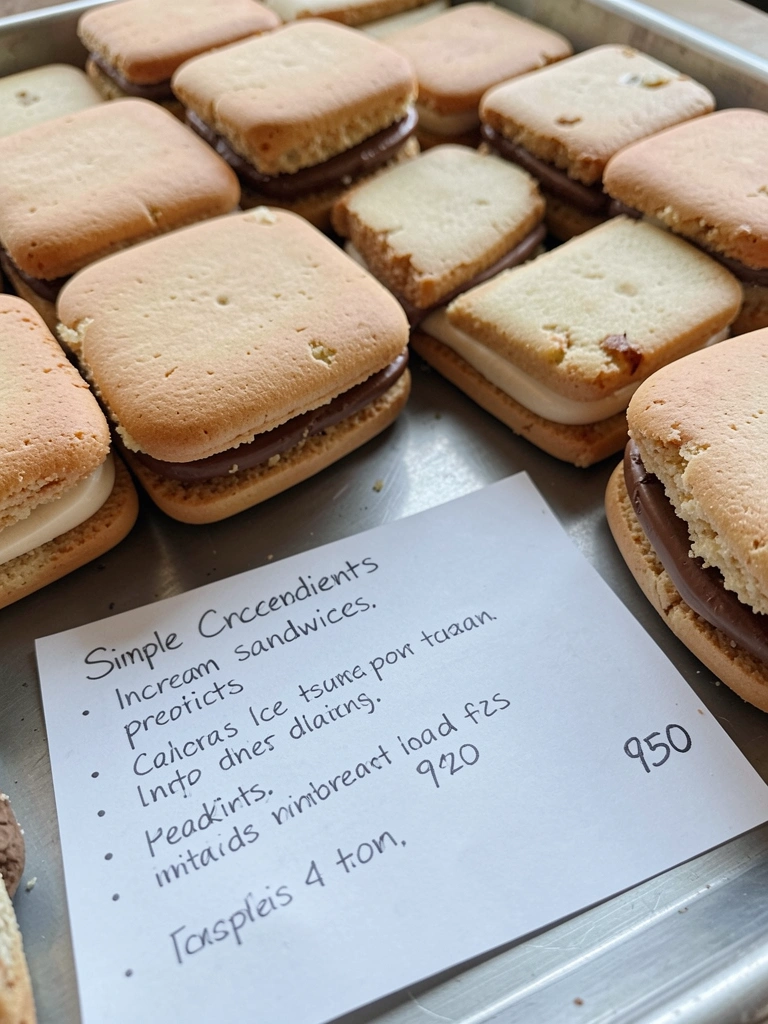
A single product line simplifies production and can scale into retail or catering. Focus on a reliable shell (cookie, waffle) and one or two best-selling fillings to control costs.
Measure unit cost and labor per sandwich; that makes pricing straightforward. Sell them at markets, to stores, or as an add-on for events.
Mistake: expanding flavor SKUs too quickly — inventory complexity reduces margin. Keep SKUs tight until demand is proven.
Tip: test shelf stability and storage needs before pitching to retailers to avoid returns or waste.
10. Seasonal Wedding and Event Specialty Trailer
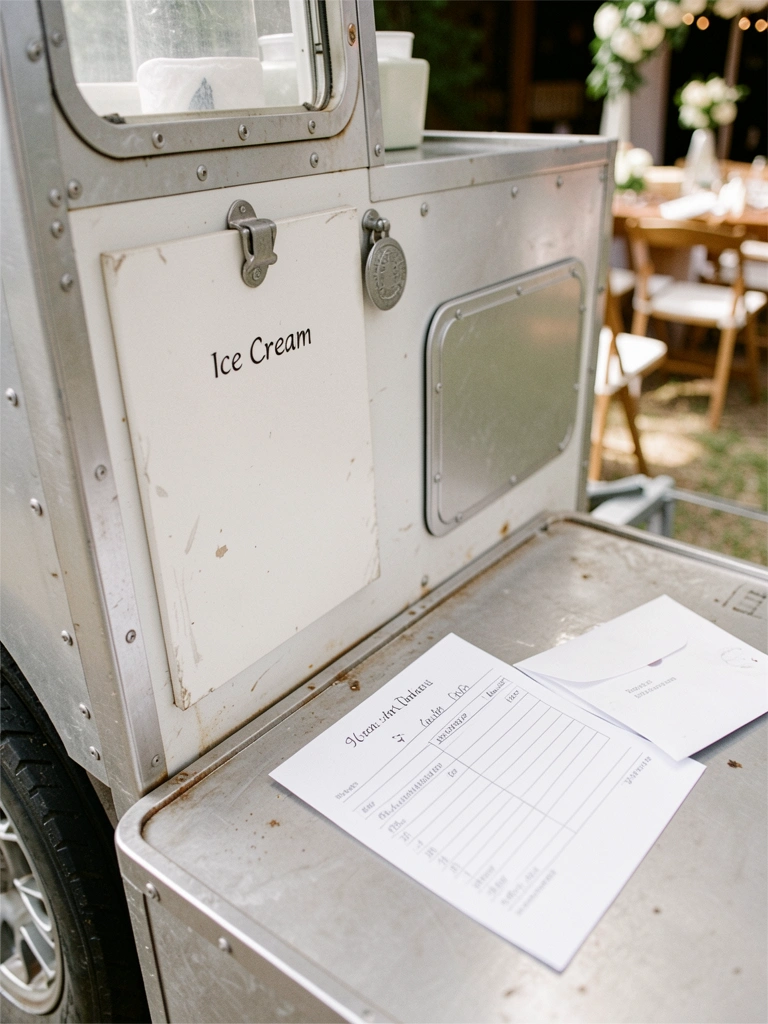
Focusing on weddings and private events captures higher per-ticket revenue and allows premium pricing for service and presentation. You can block weekends during peak season for maximum yield.
Prepare contracts that outline service time, travel, and cleanup fees. A clear cancellation policy avoids last-minute loss. Track average revenue per event to see if seasonal work justifies the trailer cost.
Pitfall: underestimating staffing needs for larger guest counts, which reduces margin. Plan staff and backups for busy days.
Tip: sell add-ons like custom flavors or branded cups to lift average event income.
11. DIY Ice Cream Kits and Online Tutorials
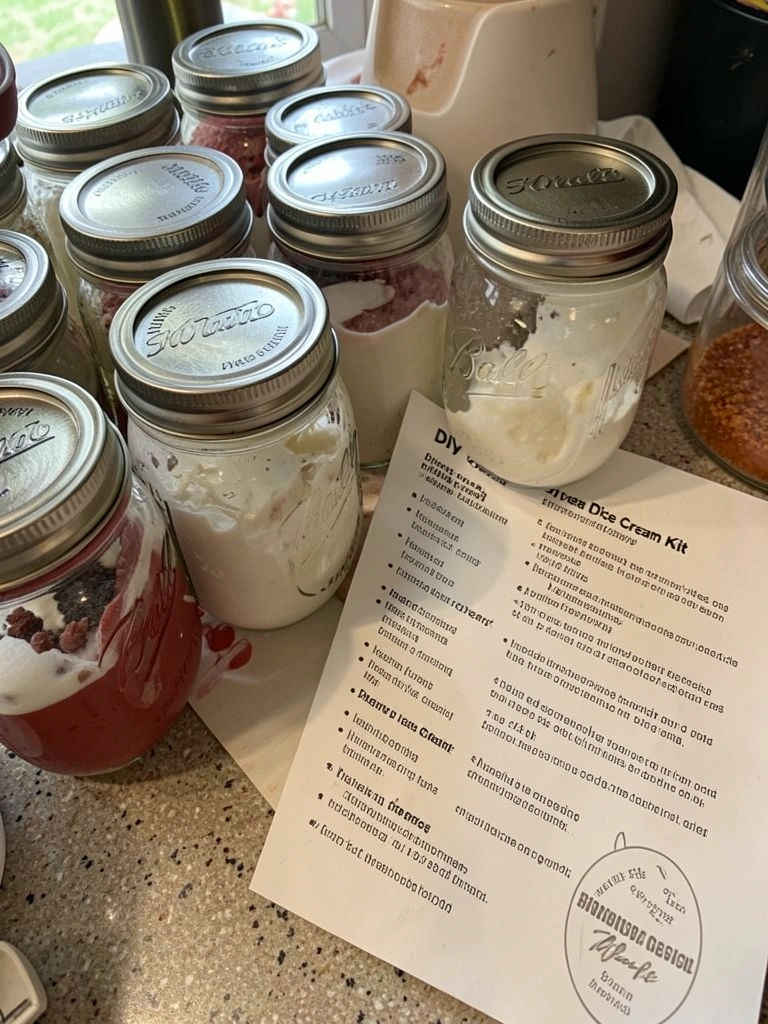
Kits let you sell without constant freezing logistics and add a margin for convenience and packaging. You can price per kit and ship locally or arrange pickup.
Include clear ingredient sourcing and simple steps; customers will pay for reliability and a good experience. Track reorder rates if customers return for more kits.
A mistake is overcomplicating instructions or including perishable items that complicate shipping. Use shelf-stable components and optional fresh add-ons.
Tip: pair kits with a short video tutorial to reduce support requests and increase perceived value.
12. Hands-On Classes and Tasting Events
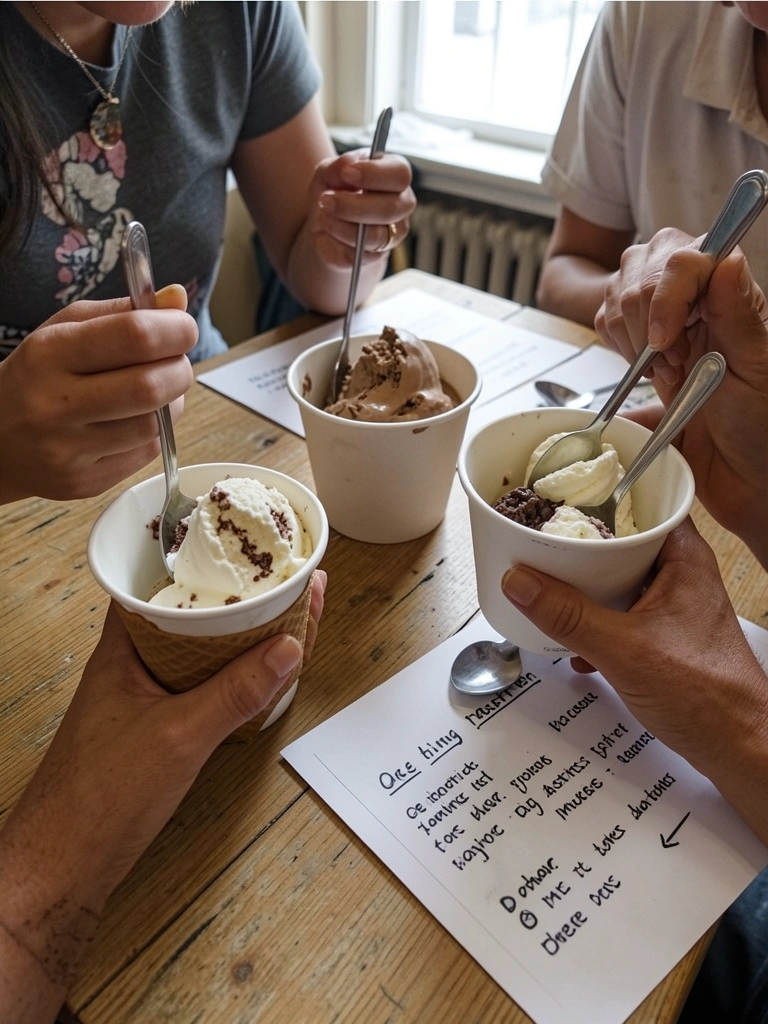
Teaching classes creates an experience people will pay for and can be scheduled during slow production days. You’ll earn per person, plus sell pints afterward.
Limit class size to manage materials and time. Charge enough to cover ingredient waste and a reasonable hourly rate for your time. Track repeat attendees and their common requests to shape future sessions.
Pitfall: running free or underpriced classes that take more setup than revenue. Treat classes as billable hours.
Tip: offer themed tastings and a tangible takeaway, like a small pint, to keep perceived value high.
Final Thoughts
Pick one idea that matches your budget and schedule, and run it for a few months to gather real numbers.
You don’t need to do everything at once; steady testing and tight cost tracking matter more than ideas.
Measure, adjust, and keep the things that pay reliably — that’s how a simple ice cream plan becomes a sustainable business.