
14 Flexible Side Business Ideas For Women
You already know extra income helps the budget breathe.
You want options that fit a busy life and actually pay.
You don't need to quit your job to start small and steady.
14 Flexible Side Business Ideas For Women
These 14 side business ideas for women are practical, flexible, and starter-friendly. Each idea shows what changes in your money and what to try first. All are doable while keeping a main job or family responsibilities.
1. Freelance Writing and Content Creation

Writing pays because you turn time into a product you can sell repeatedly.
You can sell blog posts, newsletters, or product descriptions and scale from one-off gigs to monthly retainers.
You’ll notice that clear briefs cut revisions and that repeat clients simplify cash flow.
A common mistake is undercharging early; set rates per project and raise them after positive feedback. Track hours the first month so you know where time leaks happen.
Start with one niche you know and offer a small package to test demand before expanding.
2. Virtual Assistant Services

Being a virtual assistant turns organizational skills into steady hourly or monthly income.
You’ll manage emails, schedule appointments, and handle light admin work from home.
You’ll see cash flow stabilize when you move clients from hourly to monthly packages.
Watch for scope creep; write a simple agreement that lists tasks and hours so expectations stay clear.
A practical tip: specialize (social inboxes, calendar management, or customer support) to charge more and attract clients faster.
3. Social Media Management for Local Small Businesses

Local businesses need help showing up online; you can build content and manage posting schedules.
You’ll measure success in saved time for the business and clearer booking or sales indicators for yourself.
You’ll learn which post types actually bring messages or calls, not just likes.
Avoid overpromising results; use content calendars and a small reporting template so clients see progress.
Start with one local client and offer a trial month to prove value before asking for a longer commitment.
4. Online Tutoring or Teaching

If you know a subject well, tutoring turns expertise into hourly income that fits evenings or weekends.
You’ll notice that short, regular sessions build better results and more dependable pay than sporadic long sessions.
You’ll need simple materials and a quiet space; a camera and good internet matter more than fancy tools.
A common pitfall is not setting cancellation policies; state rules up front so missed sessions don’t mean lost income.
Offer a discounted trial package to get a few students and collect feedback to refine your lessons.
5. Handmade Goods and Craft Sales

Selling handmade items lets you build a brand around skills and personal style.
You’ll see profit rise when pricing covers materials, time, and a small marketing budget.
You’ll learn which items sell fast and which sit on the shelf; track bestsellers and scale them first.
Don’t underprice; many makers forget to include labor and packaging. Calculate an hourly rate and add it to material costs.
Start with a limited collection and use customer feedback to refine what to make more of next month.
6. Reselling Clothing and Accessories

Reselling lets you profit from thrift shopping and decluttering your closet.
You’ll earn more by learning what brands and styles hold value and how to present items with clear photos and honest descriptions.
You’ll notice turnaround improves when you price competitively and list frequently.
A common mistake is not tracking expenses like shipping and listing fees; keep a simple spreadsheet to see true profit margins.
Test a drawer or a weekend of sourcing to learn which items flip fastest before investing more time or money.
7. Pet Sitting and Dog Walking

Pet care is flexible and fills gaps around work hours; you can book walks, visits, or overnight stays.
You’ll build repeat clients quickly if you communicate clearly and keep a simple schedule.
You’ll notice reliable income when you offer a weekly package rather than one-off walks.
Watch liability and expectations; ask clients about medical needs and create a checklist so nothing is missed.
Offer neighborhood clients a discount for multiple bookings to create steady weekly income.
8. Freelance Bookkeeping for Microbusinesses

Small businesses need tidy books but often can’t hire full-time staff; you can provide monthly bookkeeping.
You’ll see predictable monthly revenue when you offer package pricing and simple deliverables.
You’ll learn to separate personal and business expenses and to produce one clear monthly profit snapshot.
A common pitfall is not confirming software access or backup routines; set up secure ways to receive financial files and permissions.
Start with a few local clients and offer a clean onboarding checklist so month-one chaos is contained.
9. Event Planning and Coordination
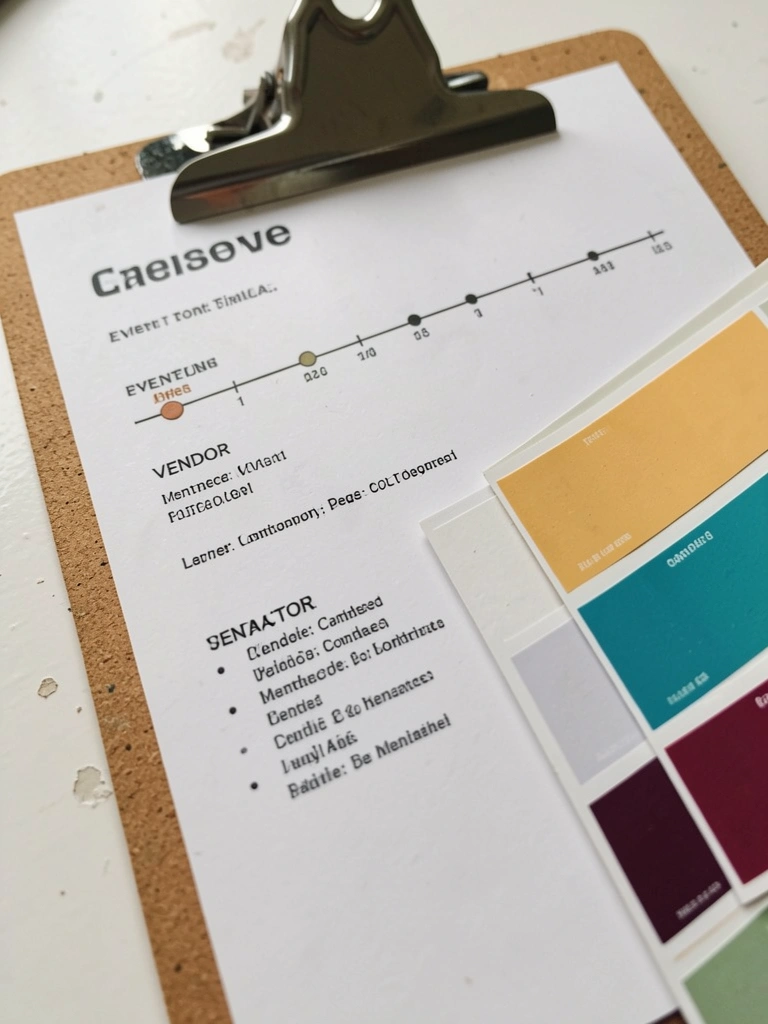
Event planning turns organization and stress-management skills into project-based pay.
You’ll see good margins when you manage vendor relationships and stick to a clear scope.
You’ll learn that checklist templates and timelines cut last-minute scrambling and save money for clients.
A common error is taking on too-large events before having processes; start with small gatherings to build templates and vendor lists.
Offer a basic coordination package for day-of logistics and add-ons for full planning as you grow.
10. Home-Based Daycare or Childcare Support
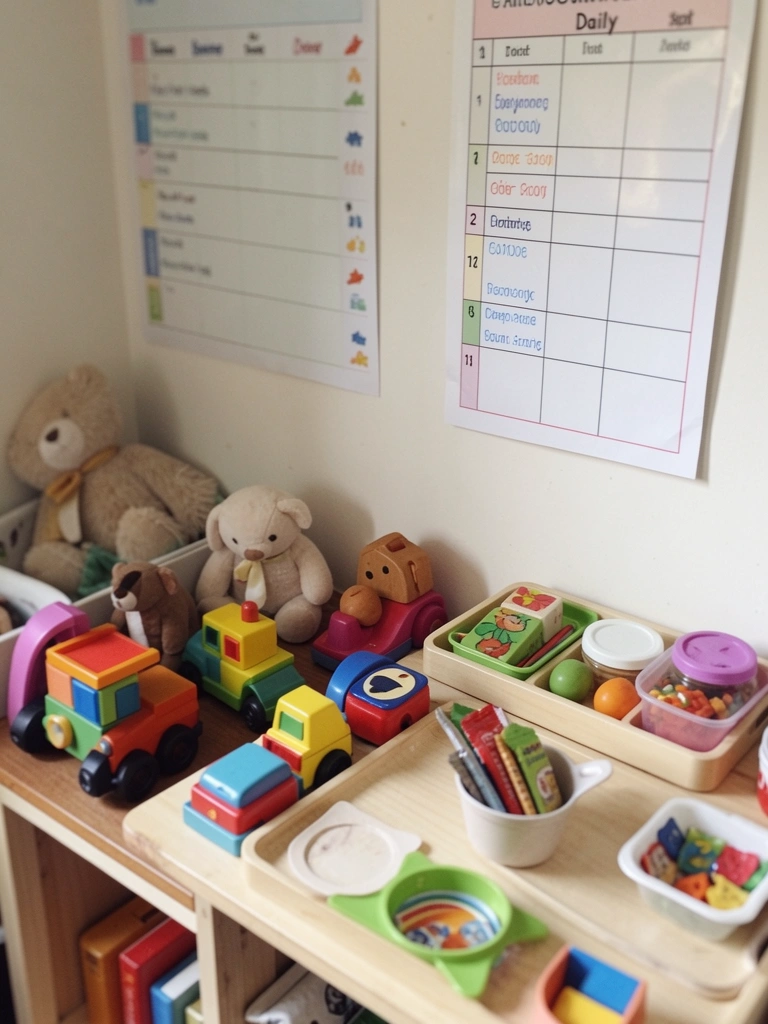
Providing childcare from home creates steady weekday income if local regulations and licensing allow it.
You’ll notice predictable cash flow when families sign weekly contracts rather than ad-hoc days.
You’ll need to follow safety standards and set clear hours, pickup rules, and illness policies to protect income and reputation.
A common pitfall is not accounting for downtime or supplies; build a weekly budget for snacks, cleaning, and fun activities.
Start by caring for one or two children and use parent references to grow responsibly.
11. Personal Fitness Coaching (Online or In-Person)

If fitness is a strength, coaching packages fit around your schedule and scale with group sessions.
You’ll see client commitment improve with short-term goals and weekly check-ins rather than vague advice.
You’ll learn to offer progress photos, simple metrics, or habit trackers to keep clients motivated and accountable.
Avoid promising specific weight outcomes; instead, set measurable habits and check-ins so clients know what to expect.
Offer a trial week or a discounted first session to convert curious leads into paying clients.
12. Meal Prep and Small-Scale Catering

Cooking for others turns kitchen skills into recurring revenue, especially for busy families or professionals.
You’ll stabilize income by offering weekly meal plans or office lunch options with clear portion pricing.
You’ll learn which menu items scale well and which take too much time for the margin they bring.
Make sure to check local food handling rules and label ingredients; food safety and clear allergen policies protect you and clients.
Start with a small neighborhood rollout and collect feedback to refine portions and pricing before expanding.
13. Curated Gift Boxes or Subscription Boxes

Curated boxes let you bundle small items and charge for the convenience and curation.
You’ll see recurring income when customers subscribe monthly rather than buying one-off boxes.
You’ll learn margins matter; pack items that add perceived value but don’t erase profit after shipping and packaging.
A common mistake is underestimating shipping costs and time; run a trial batch to confirm true costs before scaling.
Offer a themed launch box and use customer feedback to refine contents and frequency.
14. Home Staging and Decluttering Services

Helping people present homes for sale or simply declutter uses practical taste and organization skills.
You’ll notice quick wins: small changes can lead to faster listings or clearer living spaces, which clients appreciate.
You’ll work with mood boards, simple purchases, and hands-on arranging; bring a short checklist and a camera for before-and-after shots.
Watch for scope creep; set a clear hourly rate or room-based fee so clients know what to expect.
Start with friends or neighbors to build a portfolio of photos you can show new clients.
Final Thoughts
Pick one idea that fits your schedule and test it for a month.
Small, consistent income beats a big plan that never starts.
You don’t need to do all of these. Try one, learn, and expand from there.