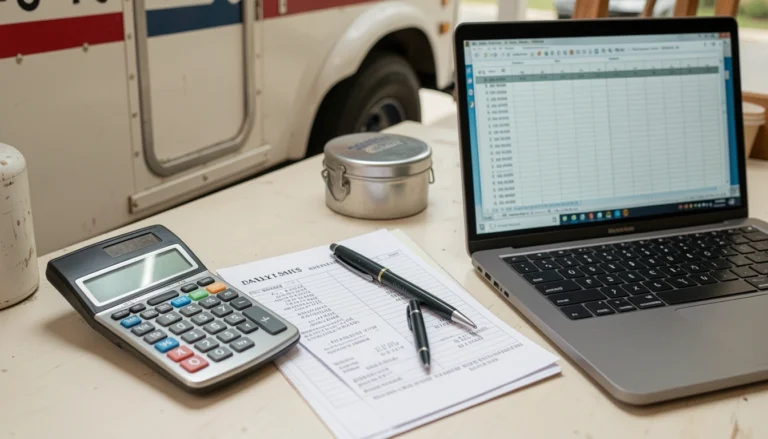
7 Profitable Chocolate Business Ideas to Start
You like chocolate and you want to make money from it without guessing.
You need ideas that actually sell, scale, and don’t blow up your cash flow.
These ideas are straightforward, tested in small batches, and focused on what changes in your day-to-day money and operations.
7 Profitable Chocolate Business Ideas to Start
These 7 ideas are practical and action-oriented. Each one explains what shifts in your cash flow, common pitfalls, and exactly what to test first.
1. Small-Batch Bean-to-Bar Chocolates
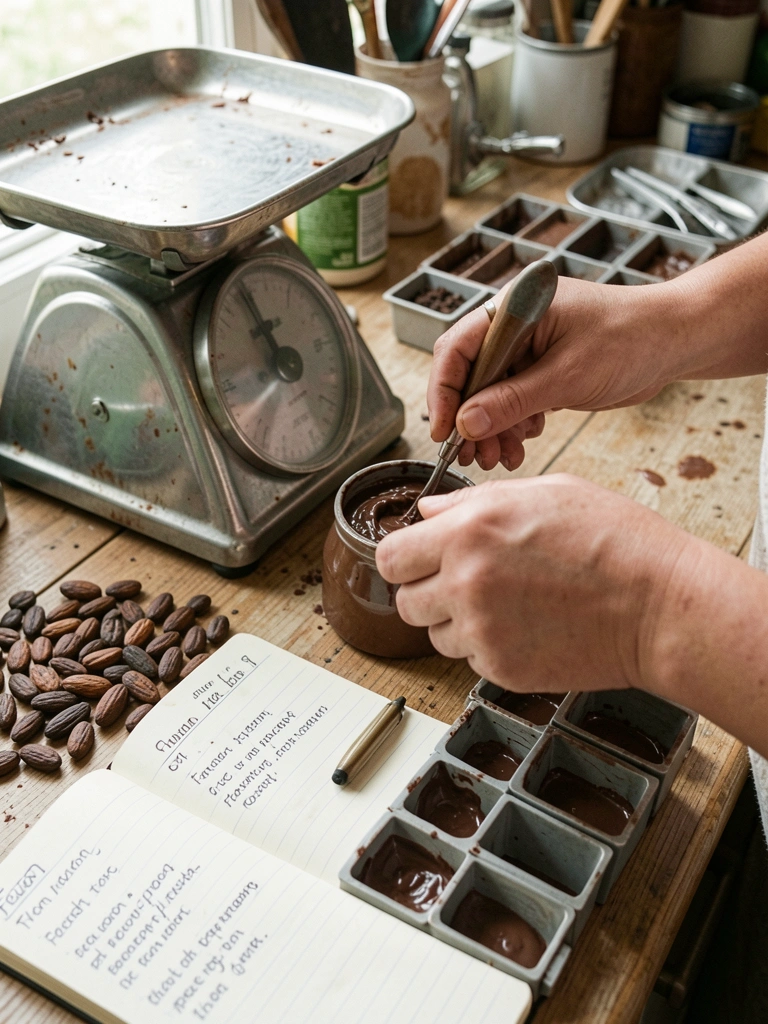
You control margins with quality and storytelling. Bean-to-bar lets you charge for origin and craft while keeping ingredient and labor costs transparent.
In practice, that means starting with a single origin and making 20–50 bars per flavor to learn yields and flavor consistency before scaling.
Watch out for underestimating equipment and sanitation time; those add overhead fast. Also avoid overcomplicating flavors before getting a consistent base recipe.
A practical tip: track time per bar for pricing, and sell locally to validate price points before investing in a full production line.
2. Curated Chocolate Subscription Box
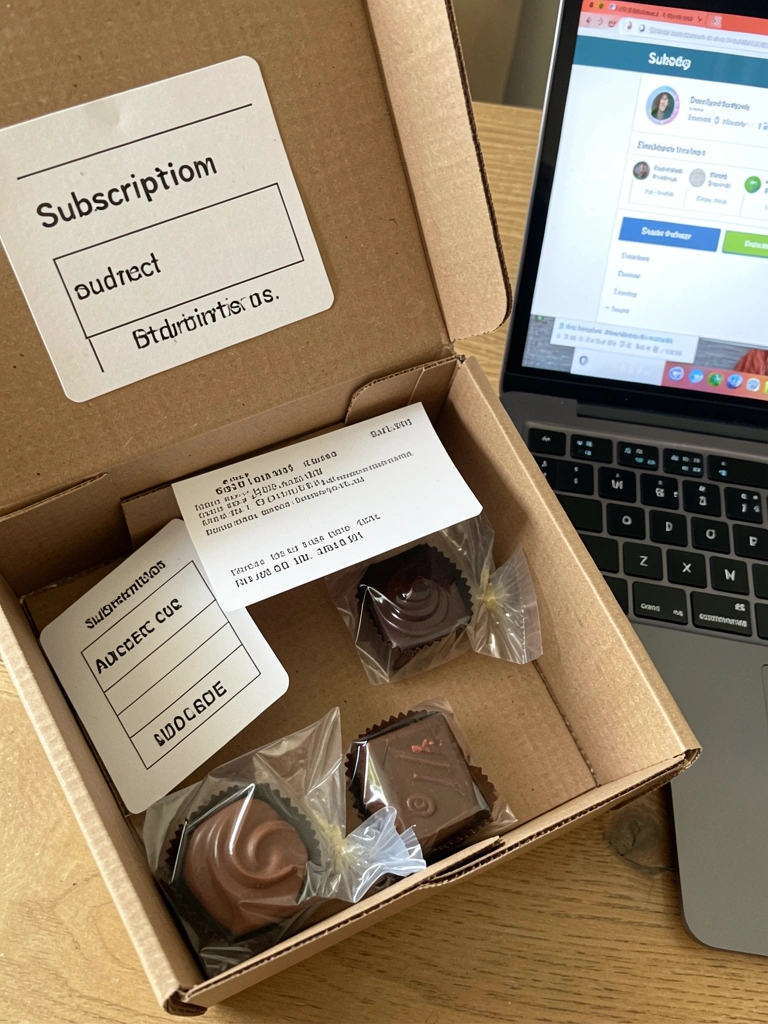
Recurring revenue smooths cash flow and lets you forecast ingredients and labor one month ahead. A subscription with rotating themes keeps customers engaged.
Start with a small pilot: offer a monthly box with 4–6 items, collect preorders for the first month, and set a clear shipping schedule so you can plan production.
Common pitfall: ignoring shipping and shelf-life costs, which can erase margins. Also watch churn—retention matters more than one-time sales.
Begin by testing a local delivery or pickup option to cut shipping complexity while you refine packaging and portioning.
3. Corporate Gifting and Event Orders
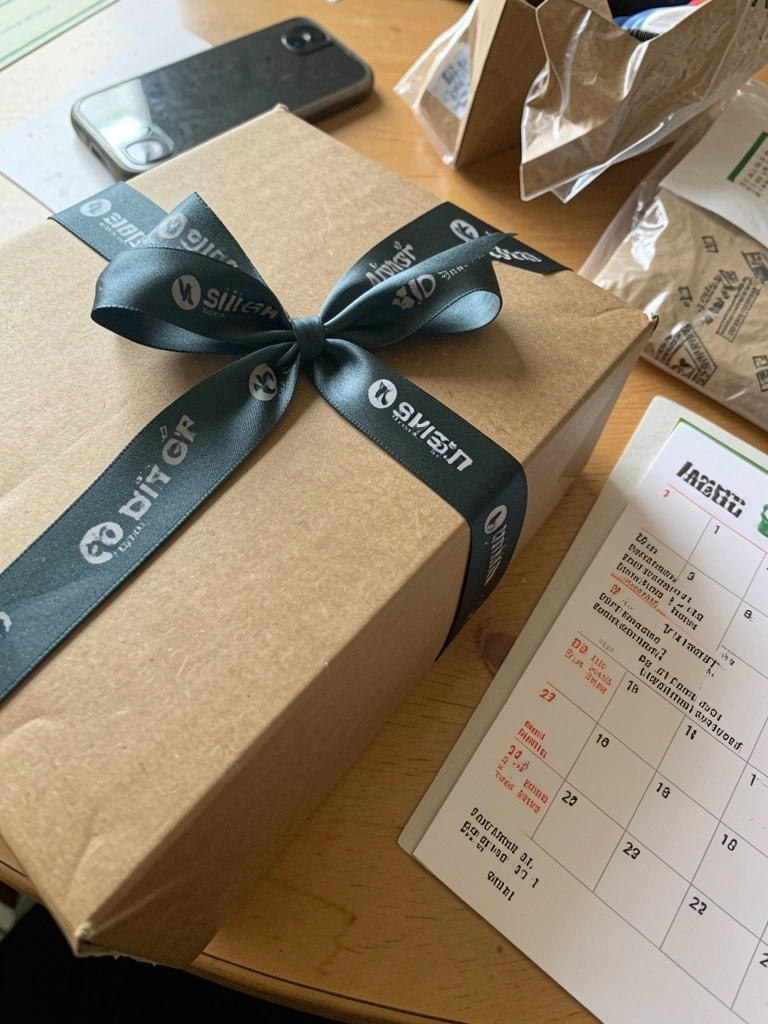
Corporate clients buy in volume and often repeat yearly, which brings predictable large orders that improve cash flow if managed right.
Practical changes include needing invoicing, minimum order processes, and longer lead times for custom branding and packaging.
A frequent mistake is accepting large custom orders without clear timelines or deposits; that stresses production and cash flow.
Create simple tiered packages and require a deposit or firm deadline so you’re not paying for rush labor or last-minute materials yourself.
4. Online Chocolate Workshops and Courses
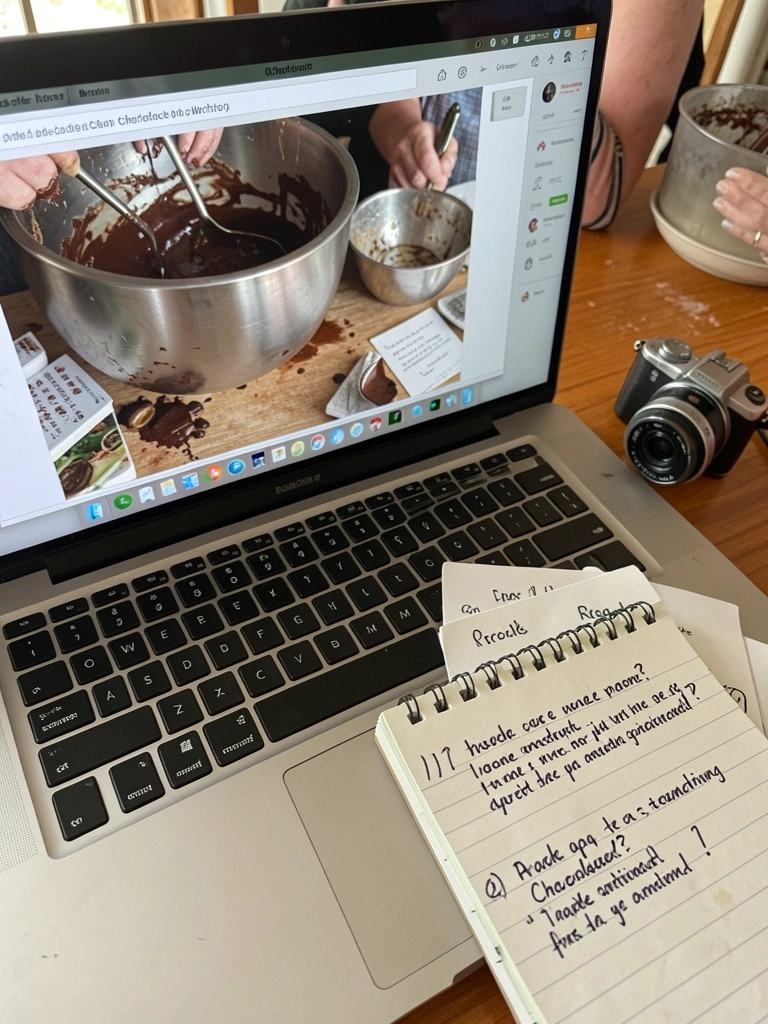
Teaching leverages your knowledge without tying up perishable inventory. Each class sells seats, and recorded lessons become a product that earns long-term revenue.
Practical shift: you’ll trade production hours for prep, filming, and marketing time. A single well-run workshop can validate demand before building a course library.
Pitfall: poor audio/video quality or too-dense content makes attendees feel it wasn’t worth the price. That kills word-of-mouth.
Start with one 60–90 minute class, charge a modest price, and record it for a basic evergreen product once you refine the flow.
5. Pop-Up Tastings and Pairing Nights
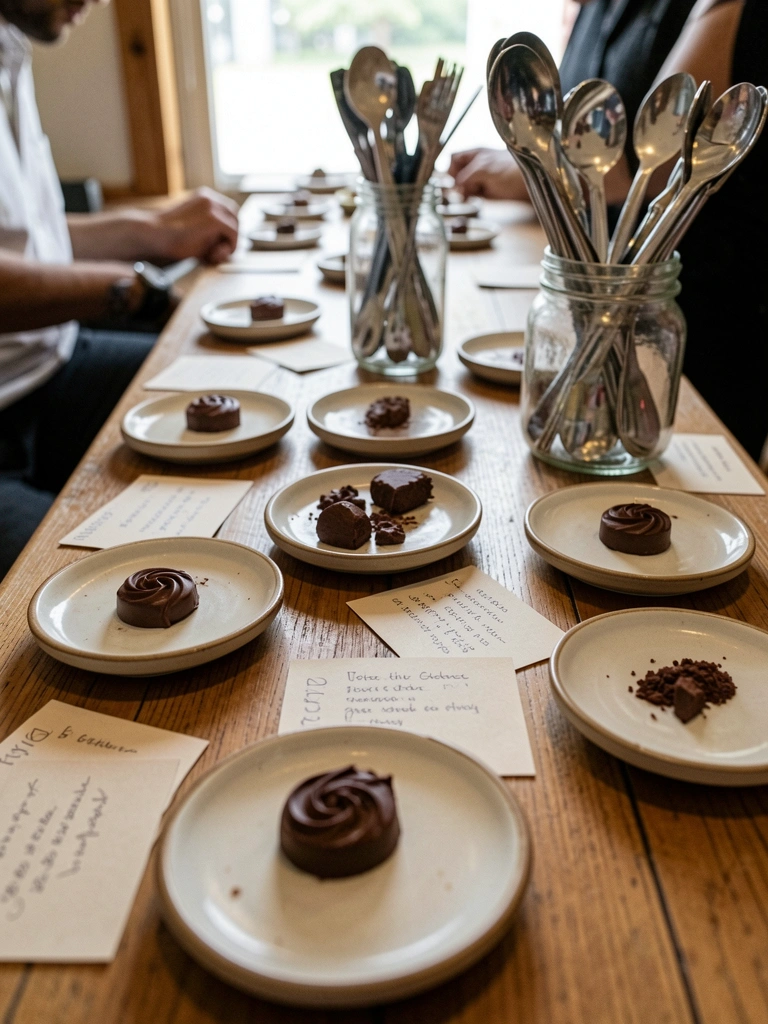
Tastings turn strangers into customers fast and build an email list for repeat sales. They also show which flavors people actually buy.
You’ll see immediate cash sales and direct feedback that informs product selection and pricing for retail or online sales.
Pay attention to permits and venue rules; skipping them creates last-minute closures or fines. Also avoid overloading the tasting with too many samples.
Keep it simple: 4–6 pairings, clear tasting notes, and a purchase option at the end to convert interest into orders.
6. Farmer’s Market or Kiosk Selling Fresh Confections

Markets are low-cost ways to get steady foot traffic and immediate revenue. Impulse buys on the day often outperform online conversions early on.
Operationally, you’ll learn portion control, peak times, and which items disappear first so you can adjust production the night before.
A common mistake is bringing too many SKUs and creating waste. Perishability and inconsistent quality will kill margins quickly.
Test three best-selling items, track sales by hour, and refine quantities rather than guessing what sells.
7. Private-Label Chocolates for Cafes and Retailers
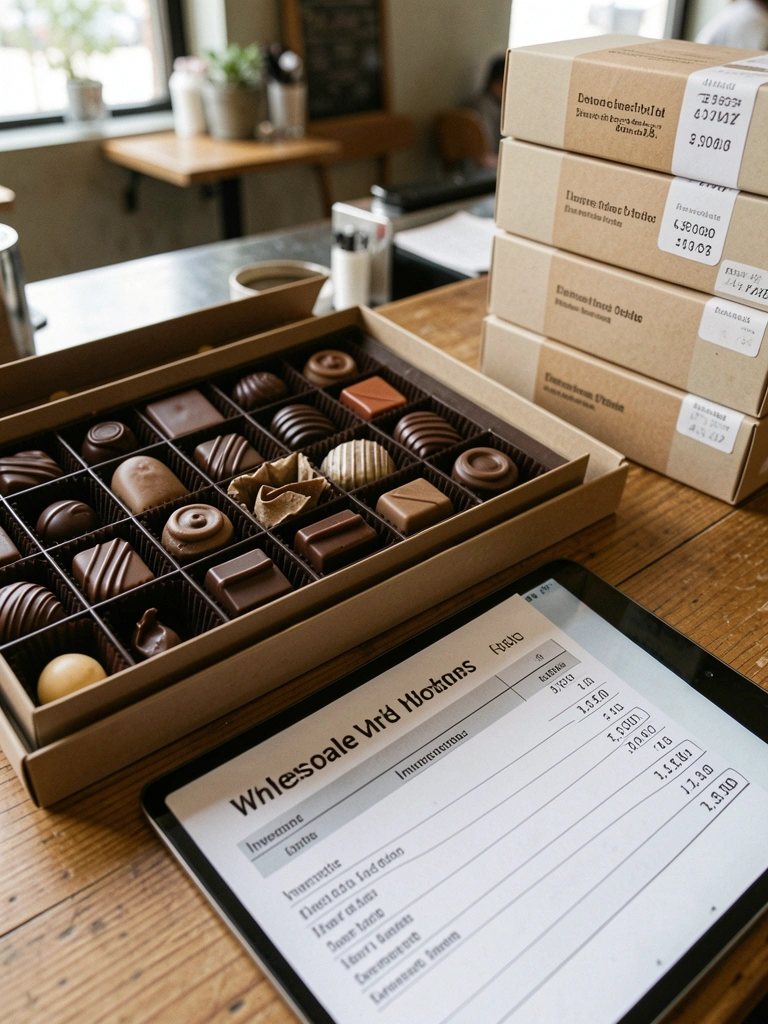
Selling private-label to local shops gives recurring orders and steady outlets without retail overhead. Margins are lower but volume and predictability improve cash planning.
You’ll need reliable packaging, consistent batch quality, and simple minimum order rules to make it practical.
Pitfall: taking on larger orders before locking down consistent lead times and quality standards leads to unhappy partners.
Start with small minimums, a clear reorder cadence, and a simple quality checklist so you can scale to bigger accounts without chaos.
Final Thoughts
You don’t need to try all seven ideas. Pick one that fits your time, space, and appetite for risk.
Start small, test a single product or channel, and fix what breaks in the first few weeks.
Keep records, protect margins, and build from consistent local demand before chasing bigger, less predictable opportunities.